




Are Refreshers a Healthier Alternative to Energy Drinks?


Key Takeaways:
If you’re choosing between a fruity café drink and a canned energy boost, it’s natural to ask: are refreshers healthier than energy drinks? In many cases, yes.
Refreshers can be the healthier everyday option, especially when they contain less caffeine, less sugar, and a simpler ingredient list. However, the answer depends on the specific drink, serving size, and how often you’re having it.
What Are Refreshers and Energy Drinks?

A refresher is typically a cold, fruit-forward café beverage with light sweetness and mild caffeine, often from tea or green coffee extract.
Energy drinks are packaged beverages designed to deliver a stronger stimulant effect, often with high caffeine plus extras like taurine, guarana, B vitamins, and sweeteners.
Here’s the quick comparison:
That’s why café refreshers often feel easier to sip during the day, while energy drinks are often built for a faster, more intense boost.
Caffeine Content Comparison
Caffeine content refers to the amount of caffeine in one serving, and it directly affects alertness, jitters, sleep, and how “strong” a drink feels.
For context, an 8-ounce brewed coffee has about 95 mg of caffeine. While some energy drinks contain about 85 mg per 8 ounces, the typical serving of 16 ounces pushes that to about 170 mg. Some products go as high as 300 mg per 16-ounce can.
Meanwhile, refreshers are usually much milder, often ranging from 30 to 80 mg per serving, depending on size and recipe.
When looking at these numbers, it’s important to note that 400 mg of caffeine per day is generally considered a safe upper limit for healthy adults. That said, children under 12 should avoid caffeine altogether, and plenty of adults have reasons to prefer consuming less caffeine on average.
That makes refreshers easier to fit into an everyday routine if you want a gentler lift instead of a big stimulant hit.
Sugar and Calorie Differences
A typical refresher typically falls in the 40-80 calorie range, with roughly 10-20 grams of sugar in a 12- to 16-ounce serving.
Energy drinks vary widely, but traditional full-sugar versions are often much higher. For example, Red Bull’s original 8.4-ounce can contains 110 calories and 26 grams of sugar.
Zero-sugar versions exist in both categories, which can help cut calories, though some people dislike the aftertaste of artificial or non-nutritive sweeteners. Overall, if your goal is lower sugar and fewer calories, a lightly sweetened refresher often has the edge over a standard energy drink.
Ingredient Quality and Additives
Additives are ingredients added beyond the main base for flavor, stimulation, preservation, or marketing appeal.
Energy drinks often include a long list: caffeine, guarana, taurine, B vitamins, amino acids, herbal extracts, acids, colors, and sweeteners. Refreshers usually have a simpler base of water, tea, juice, or green coffee extract, plus fruit flavors and sweetener. That doesn’t automatically make every refresher “clean,” but it usually means fewer stimulant-heavy extras.
In other words, many functional drinks now try to sound better-for-you, but ingredient simplicity still matters.
Safety, Regulation, and Health Risks
This is where the difference gets more serious. High-caffeine energy drinks have been linked to acute issues like elevated heart rate, higher blood pressure, sleep disruption, and emergency room visits, especially in teens and people with underlying health conditions. Harvard specifically warns that because of their caffeine load and stimulant ingredients, energy drinks may be harmful to adolescents and some adults.
Refreshers have a lower stimulant load, which generally makes them the less risky choice for most people. Children, teens, pregnant people, and anyone with cardiovascular concerns should still be careful with both categories.
Quench Your Thirst With Javvy

Javvy’s approach is built around everyday energy: flavorful, flexible, and easier to fit into a health-conscious routine.
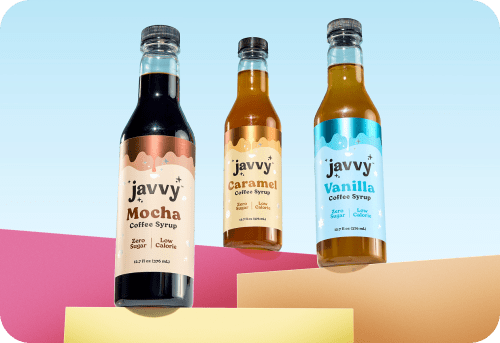
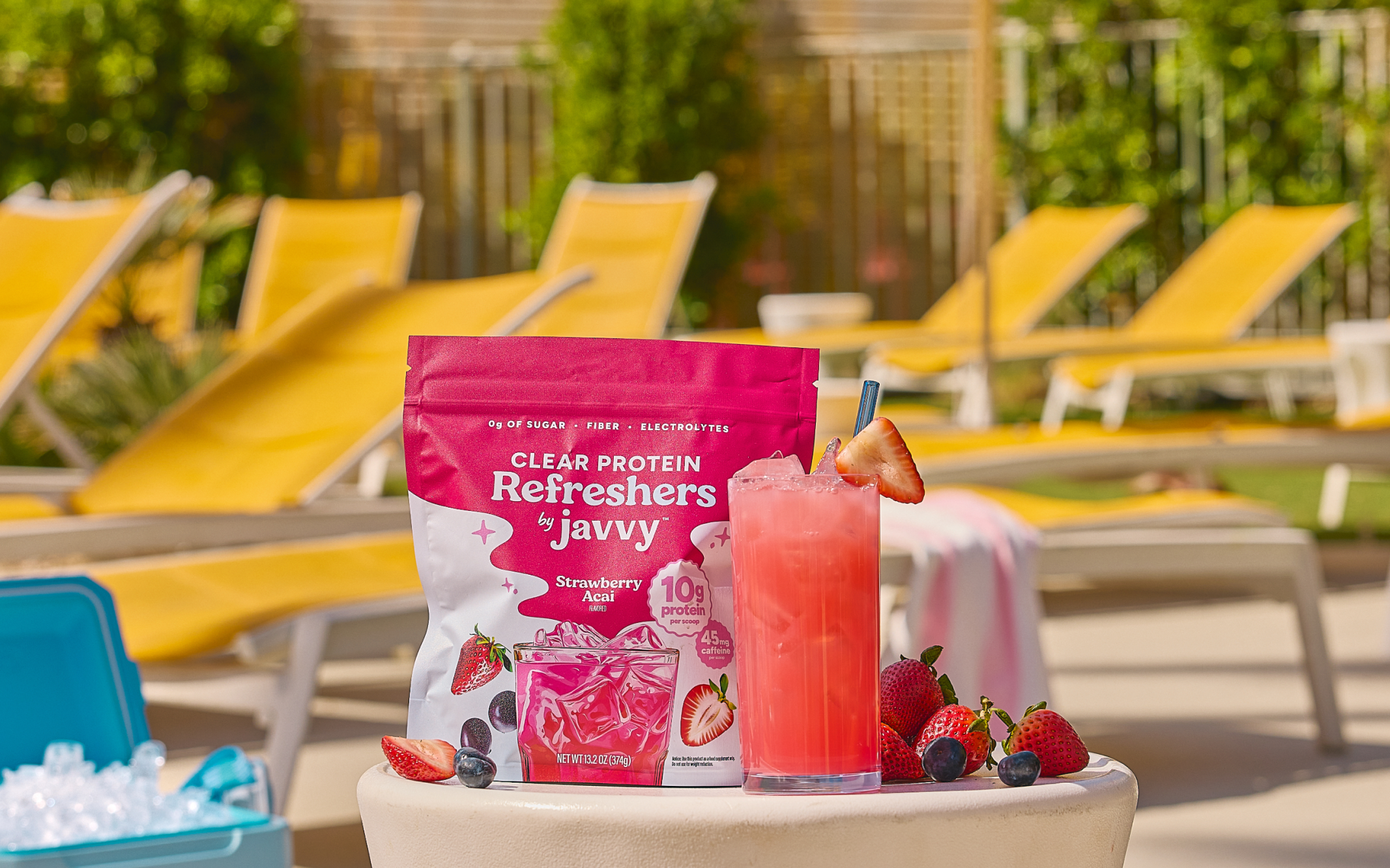
Instead of relying on ultra-caffeinated drinks, you can build your own boost with Protein Refreshers that have zero sugar and 45mg of caffeine for a light boost that’s easy to fit into your daily routine. Choose from three delicious flavors, Strawberry Acai, Peach Passionfruit, and Mango Pineapple, with zero artificial sweeteners, flavors, or colors. Perfect post-workout, between meals, or anytime you want a light, refreshing boost.
Final Thoughts
So, are refreshers healthier than energy drinks? Usually, yes. They’re often lower in caffeine, lower in sugar, and made with fewer stimulant-heavy additives, which makes them a better fit for regular use.
Energy drinks may still have a place for occasional high-demand moments, but for most people, a lighter refresher or a customizable coffee option is the smarter long-term play.
FAQs
Are refreshers healthier than energy drinks?
In most cases, yes. Refreshers typically contain less caffeine, less sugar, and a simpler ingredient list, making them a safer and more sustainable everyday option.
How much caffeine is in a refresher vs. an energy drink?
Refreshers generally contain 30-80mg of caffeine per serving, while energy drinks can range from 80-300mg, up to nearly four times more.
Are energy drinks ever the better choice?
Energy drinks may be appropriate for occasional high-demand moments, but for regular daily use, a lighter refresher is the smarter long-term option for most people.
Are zero-sugar versions of both drinks a healthy option?
Zero-sugar versions do cut calories, but some use artificial sweeteners that not everyone tolerates well. Always check the ingredient list for what's being used as a substitute.
Sources:
Energy Drinks | Harvard School of Public Health
Spilling the Beans: How Much Caffeine is Too Much? | U.S. Food & Drug Administration
The Dark Side of Energy Drinks | National Library of Medicine