




Key Takeaways:
- Bottled cold brew is convenient, but freshness, flavor consistency, and ingredient quality can vary widely once coffee is brewed, bottled, and stored.
- Ready-to-drink bottles often cost more and create more packaging waste compared to concentrates or homemade cold brew options.
- Cold brew concentrates offer better control over taste, ingredients, and sustainability while still delivering the ease people want from bottled coffee.
If you’ve ever grabbed a bottle of cold brew from the grocery store because you were running late, you’re not alone. Bottled cold brew has become the ultimate shortcut coffee. Smooth, low-acid, already made, no equipment required. For busy mornings, it feels like a win.
However, convenience sometimes comes with tradeoffs. Here’s what to know before you toss another bottle into your cart, and why Javvy is your morning hero.
What To Know About Bottled Cold Brew Quality
Cold brew lives and dies by freshness.
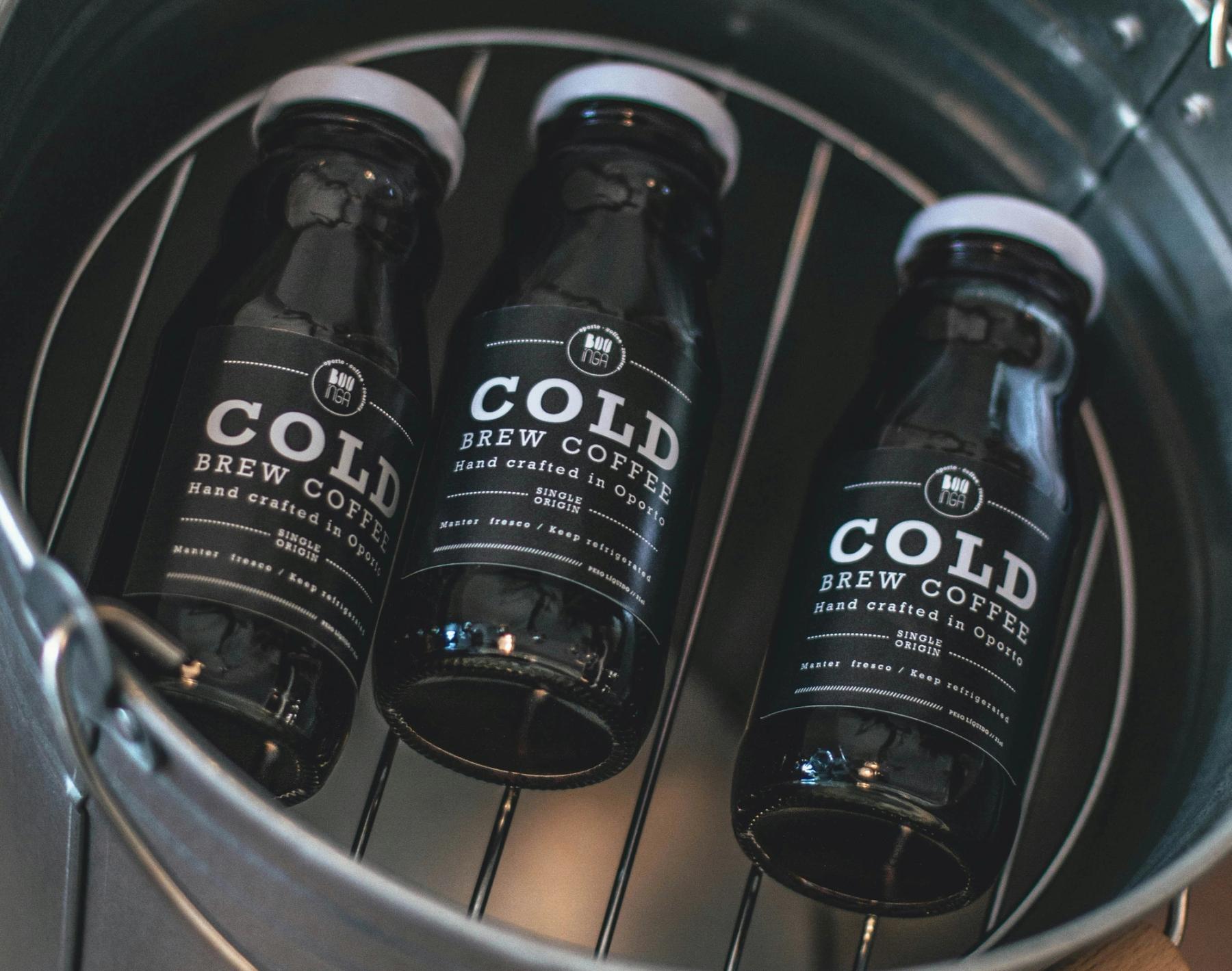
When cold brew is made at home or mixed fresh, it tends to taste smoother, rounder, and more balanced. Bottled cold brew, on the other hand, can vary wildly from brand to brand and even bottle to bottle.
One common issue is filtration. Some bottled cold brews contain fine coffee particles that settle over time, leading to a murky look and a bitter or sludgy mouthfeel by the last sip. Another problem is oxidation. Once coffee is exposed to air during bottling and storage, flavors can flatten or shift into something dull or slightly stale.
That’s why bottled cold brew reviews are all over the place. One brand tastes smooth and drinkable. The next tastes sharp, bitter, or oddly cardboard-like. It’s not always about the beans; it’s about how long the coffee has been sitting and how it was handled along the way.
Ingredient Transparency and Health Considerations
Plain cold brew is naturally low in acidity and simple by nature: coffee and water. That’s the ideal starting point.
The issue comes in once bottled versions start adding extras. Some supermarket cold brews include added sugars, flavored syrups, or artificial ingredients to compensate for flavor loss during storage. What starts as a clean coffee can quietly turn into a sugary beverage without tasting obviously sweet.
Transparency matters here. Health-conscious coffee drinkers should be able to glance at a label and immediately understand what’s inside and where it came from. Short ingredient lists are usually a good sign. Long, vague ones are not.
There’s also the quality-control side. Coffee that’s brewed in large batches and stored improperly can be more susceptible to spoilage issues over time. While reputable brands manage this well, not all bottled cold brews are created equal.
How Does the Cost and Value of Bottled Cold Brew Compare to Fresh or Homemade?
Bottled cold brew is one of the most expensive ways to drink coffee at home.
When you break it down per serving, ready-to-drink bottles often cost significantly more than brewing cold brew yourself or using a concentrate. You’re paying for packaging, shipping, refrigeration, and shelf space.
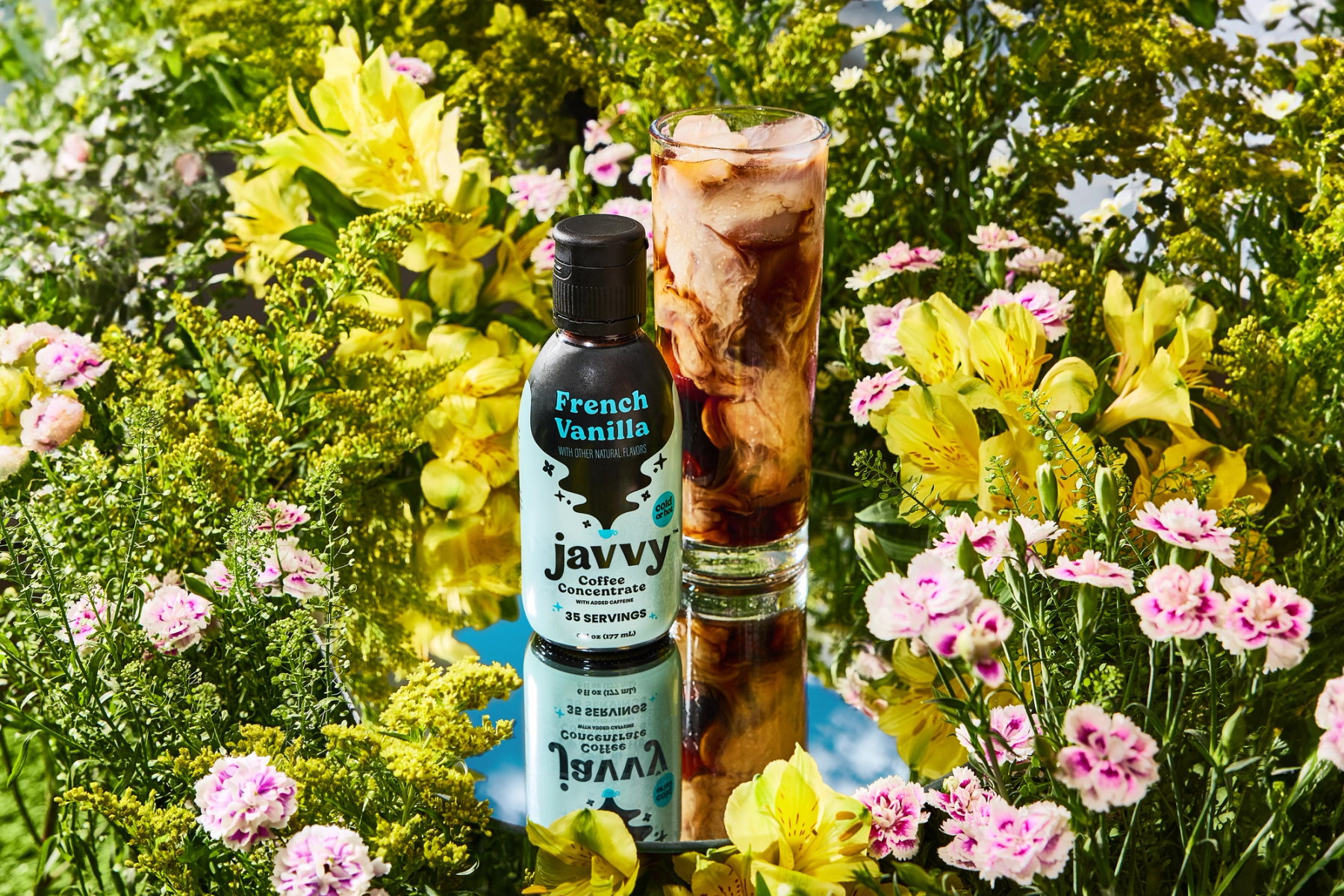
Concentrates tend to offer better value because you control dilution. One bottle can turn into multiple cups instead of just one. Homemade cold brew goes even further by letting you control both cost and strength.
For people who drink cold brew regularly, the price difference adds up quickly.
What Is the Environmental Impact of Bottled Cold Brew Packaging?
This is where bottled cold brew struggles the most.
Single-use bottles, whether plastic or glass, create packaging waste with every purchase. They’re heavier to transport, require more energy to refrigerate, and increase emissions throughout the supply chain.
Cold brew also has a shorter freshness window once opened, which can lead to waste if a bottle doesn’t get finished in time.
For coffee drinkers who care about sustainability, bottled cold brew often conflicts with those values, even if the coffee itself is responsibly sourced.
Are Cold Brew Concentrates a More Sustainable Option?
Because they’re concentrated, cold brew concentrates require less packaging, less shipping weight, and less storage space. One small bottle can replace several ready-to-drink bottles, cutting down on waste and emissions.
Shelf-stable concentrates also let you make only what you need, when you need it. That reduces staleness and eliminates the pressure to finish a full bottle before it goes off.
This is one of the reasons we’ve focused on concentrates at Javvy.
How To Choose a More Eco-Friendly Cold Brew Option
If you’re trying to be more intentional with your coffee choices, a few things make a big difference:
- Look for 100% Arabica beans with transparent sourcing
- Choose products with minimal, recognizable ingredients
- Avoid unnecessary sugars and artificial flavors
- Prioritize brands that reduce packaging and shipping impact
The Javvy Difference
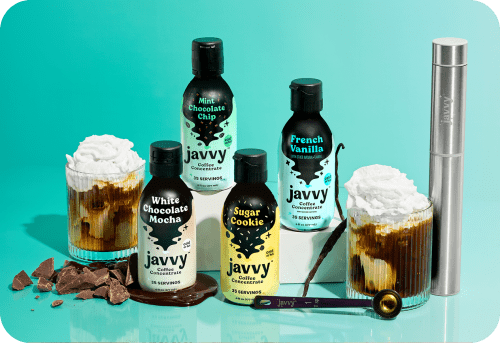
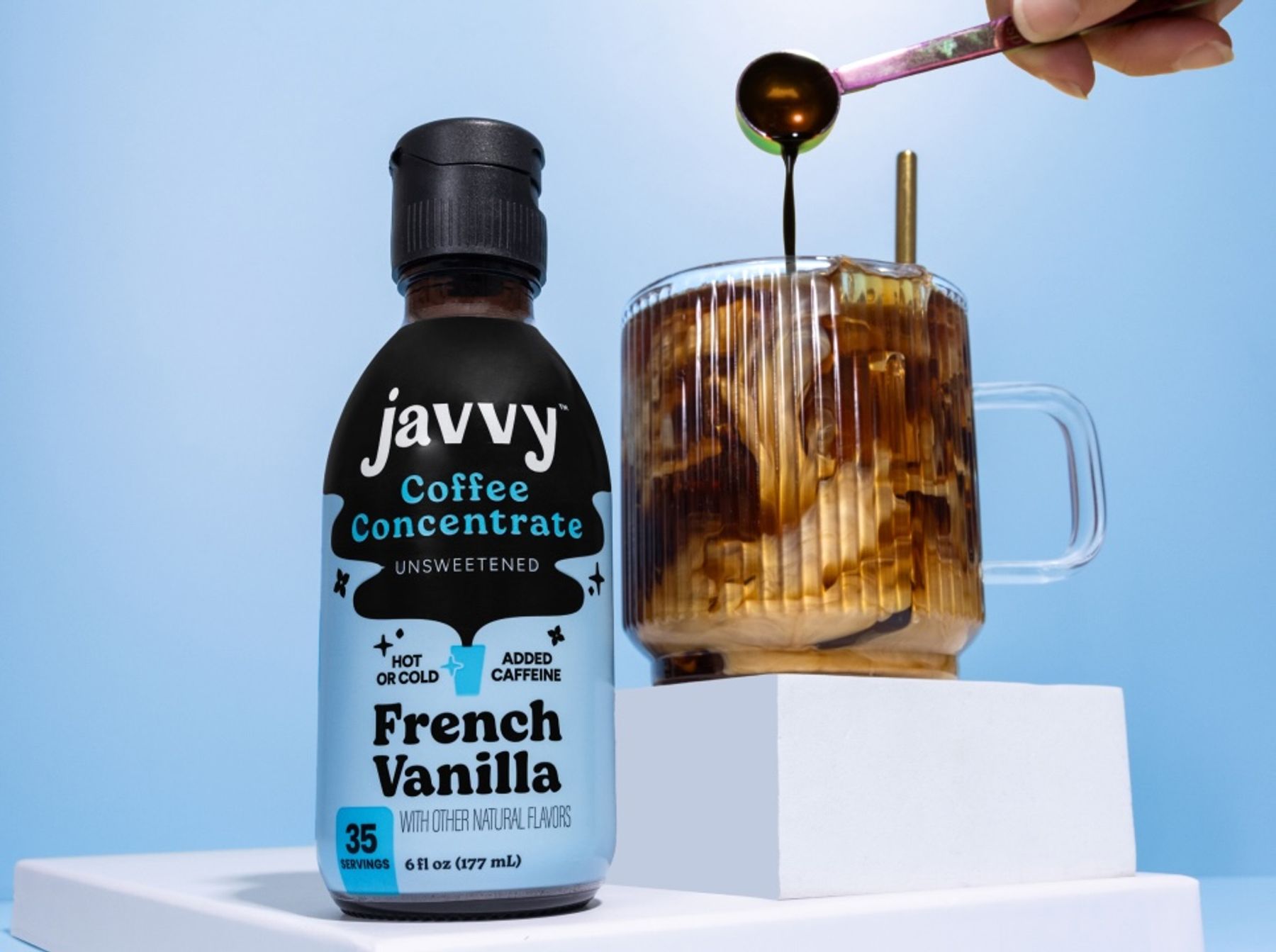
Javvy Cold Brew Concentrate makes it easy to enjoy smooth, café-style coffee at home while keeping waste and resource use in mind.
Because it’s a concentrated format, you can mix only what you need, helping reduce brewed-coffee waste, and its compact bottles are generally more efficient to ship and store than ready-to-drink cold brew, which can mean less packaging and transportation impact per serving. It also supports more sustainable routines at home by replacing single-use coffee shop cups and frequent store runs with a longer-lasting, portable option.
Overall, it’s a convenient way to get great cold brew flavor while making small, practical choices that can add up for the planet.
Shop the Products in This Article

Coffee Concentrate
100% Real Coffee