








Key Takeaways:
- Protein coffee can be a helpful, energizing addition to your routine, but how it affects you depends on your caffeine tolerance, protein choice, and overall intake.
- Most side effects come from overdoing caffeine, using proteins your body doesn’t tolerate well, or choosing formulas loaded with unnecessary additives.
- When used intentionally with clean ingredients and realistic portions, protein coffee works best as a supportive tool, not a replacement for real food or mindful nutrition.
Protein coffee sounds like the best of both worlds. Your morning caffeine, plus protein to keep you full and fueled.
At Javvy, we love functional upgrades that actually earn their place in your routine. But we also know that when you start stacking caffeine and protein into one cup, questions come up fast. Is it hard on your stomach? Can it mess with sleep? Is it something you should drink every day?
The short answer: protein coffee is safe for most people when it’s done thoughtfully. The longer answer depends on what you’re drinking, how much you’re having, and how your body responds.
Read on to learn the real side effects people experience with protein coffee, who should be more cautious, and how to enjoy the benefits without overdoing it.

Understanding Protein Coffee and Its Popularity
Protein coffee, often called proffee, is simply coffee mixed with a protein supplement like whey, collagen, or plant-based protein. One drink delivers caffeine for energy and protein to help you stay full and supported through the morning.
It’s exploded in popularity because it fits modern routines. People want fewer steps before work, fewer drinks to juggle, and something that actually holds them over. Protein coffee promises steady energy, fewer cravings, and an easy way to boost protein without adding another shake or snack.
TikTok helped push the trend mainstream, with creators touting benefits like appetite control and longer-lasting energy. Nutrition experts generally agree it can be helpful, as long as it’s used intentionally. Protein coffee works best as a functional add-on, not a magic fix.
Common Side Effects of Protein Coffee
Protein coffee can be a great upgrade, but it’s not perfect for everyone. Side effects depend on how much you drink, the protein you choose, and how sensitive your body is to caffeine or certain ingredients.
Most issues fall into four categories:

Caffeine Overload and Its Impact
Protein coffee is still coffee, which means caffeine adds up fast. Drinking multiple servings or stacking it with other caffeine sources can push some people past their comfort zone.
Caffeine overload can show up as jitters, anxiety, trouble sleeping, or a racing heart. Most healthy adults can safely consume up to 400 mg of caffeine per day, but personal tolerance varies a lot. If protein coffee starts making you feel wired instead of energized, that’s usually a sign to scale back.
Digestive Discomfort and Sensitivities
Digestive issues are one of the most common complaints with protein coffee. Whey-based proteins and lactose-containing blends can trigger bloating, gas, cramping, or loose stools, especially for anyone who’s dairy-sensitive.
Artificial sweeteners and sugar substitutes can also irritate the gut for some people. If your stomach consistently feels off after protein coffee, switching protein types or choosing a cleaner formula often fixes the problem.
Changes in Coffee Texture and Taste
Not all side effects are physical, some are about enjoyment. Certain protein powders can make coffee thick, gritty, or chalky if they don’t dissolve well.
This usually comes down to protein type and mixing method. Using high-solubility proteins, warming liquids before mixing, or choosing products designed specifically for coffee can make a big difference. For some people, though, texture alone is enough to turn protein coffee into a hard no.
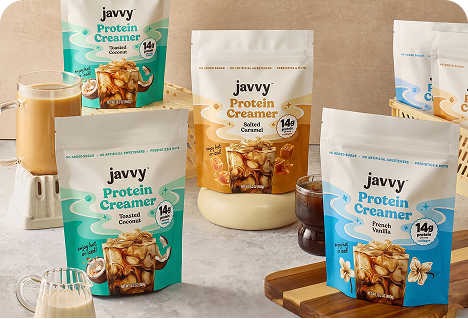
Our Protein Creamer was crafted to taste delicious without disrupting your coffee’s texture. With 11 grams of protein in each serving, our collagen-based formula delivers a superfood boost you can count on.

Type of Protein Used in Coffee
Not all proteins behave the same once they hit hot coffee or your stomach.
- Whey protein is high-quality and effective, but it can trigger bloating or discomfort for people who are lactose-sensitive.
- Plant-based proteins tend to be gentler on digestion and work well for dairy-free or vegan routines.
- Collagen dissolves easily, has very little taste, and is often the easiest on the gut, though it’s not a complete protein.
Beyond the protein itself, added flavors, gums, or artificial sweeteners can also be the real culprit behind side effects.
Tips for Enjoying Protein Coffee Safely
Here’s how to keep protein coffee feeling good, not overwhelming.
Choose clean, well-formulated products with transparent labels. Look for minimal sugar, clear allergen info, and third-party testing when possible. Sugary syrups and heavy creamers tend to undo the benefits fast.
Keep an eye on your totals. Tracking caffeine and protein for a few days can help you spot patterns if jitters, sleep issues, or stomach discomfort pop up.
If something feels off, scale back. Fewer servings, a different protein source, or an earlier time of day often solves the problem.
Balancing the Benefits and Risks of Protein Coffee
Protein coffee isn’t inherently risky, but it does require intention. When you choose the right protein, watch your totals, and listen to your body, it can be a simple way to support energy, appetite, and fitness goals.
Trends come and go, but smart routines stick. Prioritizing clean ingredients, moderation, and personal tolerance makes protein coffee a helpful tool instead of a headache.
At Javvy, we’re big on transparency, flexibility, and finding what actually works for real life. And if it doesn’t? Our Happiness Guarantee has your back.
Shop the Products in This Article

Protein Coffee
100% Real Coffee

Collagen Creamer
14g Protein per Scoop