





Key Takeaways:
- Protein coffee can support muscle growth when it helps you consistently hit your daily protein needs, especially around workouts.
- Caffeine enhances workout performance and training quality, while protein drives recovery and muscle repair. They work best when used together with intention.
- Protein coffee isn’t a shortcut or a replacement for real food, but it can be a powerful, practical tool for consistency in busy fitness routines.
If your morning coffee is sacred and your workouts aren’t optional, it’s fair to wonder if one cup can actually do double duty. That question is exactly why protein coffee — or proffee — has become a go-to for gym regulars, endurance athletes, and busy adults who want results without adding more steps to their day.
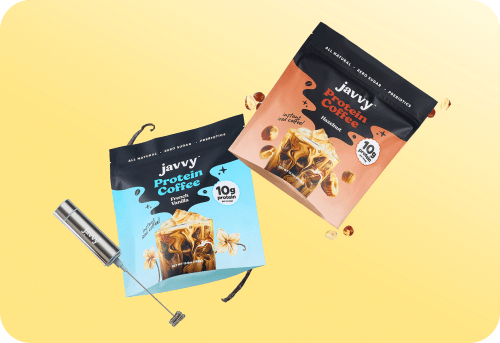
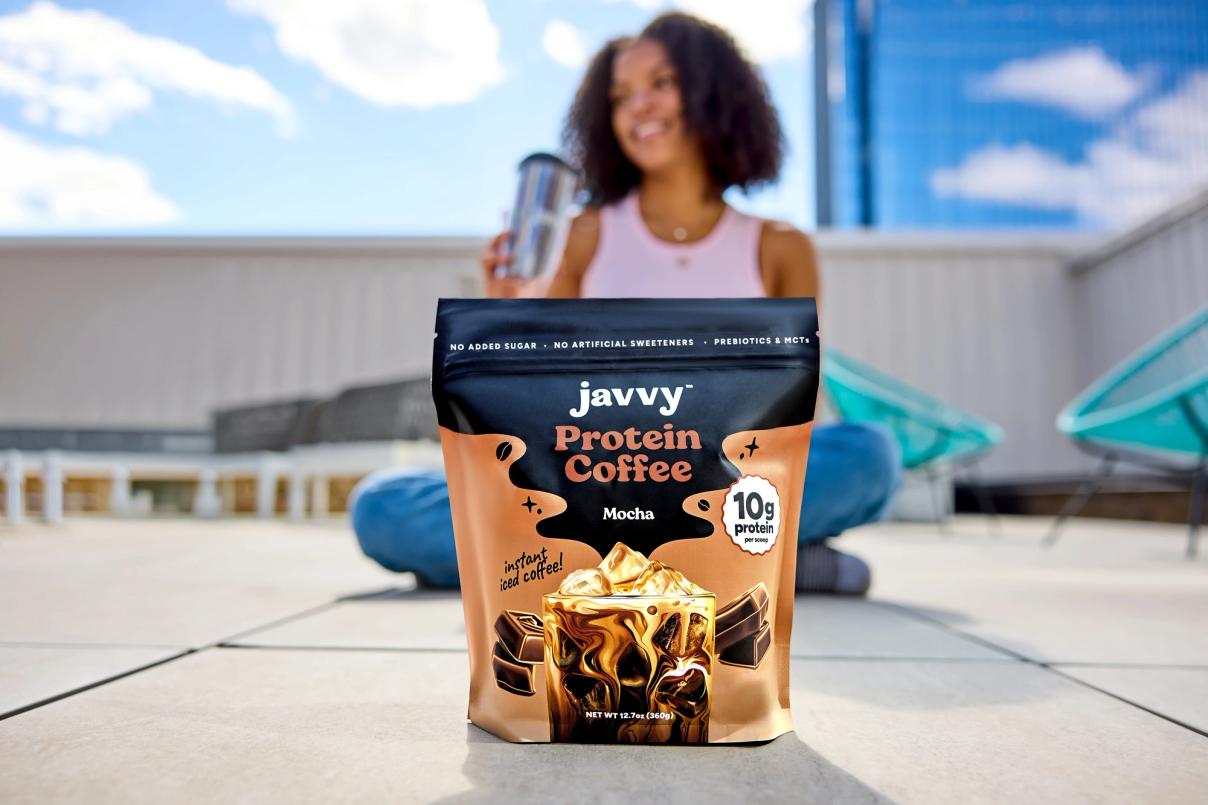
At Javvy, we look at protein coffee as a smarter way to fuel what you’re already doing. Protein coffee is simply coffee blended with high-quality protein, designed to pair coffee’s performance perks with the nutrients your muscles need to recover and adapt. Same routine. More purpose.
So does protein coffee actually help build muscle, or is it just a convenient shortcut? Let’s walk through what the science really says.

How Protein Supports Muscle Growth
Protein is made up of amino acids, which your body uses to repair muscle tissue after training. Whether you’re lifting weights, running, or doing endurance work, exercise creates small amounts of muscle breakdown. Protein provides the materials your body needs to rebuild that tissue stronger than before.
One key factor is timing. Research consistently shows that spreading protein intake across the day matters. Hitting roughly 20–30 grams of protein per meal supports muscle protein synthesis more effectively than saving most of it for one big meal later.
This is where protein coffee can be helpful. It adds a meaningful protein dose earlier in the day or closer to workouts, when muscles are especially responsive. It doesn’t replace meals, but it can fill gaps that often get missed.
Protein also plays a role beyond muscle growth. It supports recovery, helps regulate appetite, and contributes to steadier day-to-day fueling.
The Role of Caffeine in Muscle Performance and Recovery
Caffeine is a natural stimulant that improves alertness and reduces how hard exercise feels. In practice, that often means pushing through longer workouts, staying focused, or maintaining intensity when fatigue would normally creep in. Research consistently shows caffeine improves exercise performance, especially during endurance and aerobic training.
This is where protein coffee makes sense. Coffee helps you perform. Protein helps you recover. They don’t overlap roles, but they complement each other when used intentionally.

Best Protein Types for Endurance and Gym Recovery
Whey protein is often considered the gold standard for post-workout recovery. It absorbs quickly, contains all essential amino acids, and is especially high in leucine, which plays a key role in muscle protein synthesis. For gym recovery or endurance training, whey tends to support faster repair.
Plant-based proteins like pea, soy, or hemp can also support muscle recovery when properly formulated. Amino acid profiles vary, so quality and testing matter more here than with whey.
Some functional blends include collagen for joint support or MCTs like goMCT® to help with satiety and how the drink carries you through the day. These don’t replace complete proteins, but they can add useful support alongside them.
Combining Coffee and Protein: Synergies for Fitness
Protein coffee isn’t powerful because coffee and protein magically change each other. It works because it solves two different needs at the same time.
Protein coffee gives you the focus and readiness coffee is known for, alongside protein’s role in recovery and appetite regulation. That makes it easier to fuel workouts or long mornings without juggling multiple drinks or snacks.
Protein helps stabilize blood sugar and prolong fullness. Coffee can support training output and mental clarity. Together, they support both physical and mental performance across the day.
It’s worth saying clearly: mixing coffee and protein doesn’t create unique biological benefits compared to having them separately. What it does create is consistency, and consistency is what actually drives results over time.
Shop the Products in This Article

Protein Coffee
100% Real Coffee