




Key Takeaways:
- Protein coffee can replace a protein shake in moments where convenience, energy, and moderate protein matter most, but it shouldn’t replace whole-food meals long term.
- The best protein coffee for weight loss or lean muscle support is low in sugar, moderate in protein, and made with high-quality, clean ingredients you actually recognize.
- When chosen and used intentionally, protein coffee simplifies nutrition and boosts consistency, which is what drives real results over time.
If your day already starts with coffee and your fitness goals include more protein, it’s only natural to ask the obvious question: Can one cup do the job of a protein shake?
At Javvy, we’ve watched protein coffee go from niche gym hack to everyday staple. Not because people wanted another wellness trend, but because they wanted fewer steps. One drink. One routine. Less juggling before 9 a.m.
Protein coffee promises caffeine and protein in the same cup, without pulling out a blender or choking down a thick shake when you’re half awake. But does that convenience actually hold up nutritionally? And can it really replace a traditional protein shake?

What Is Protein Coffee and How Does It Work?
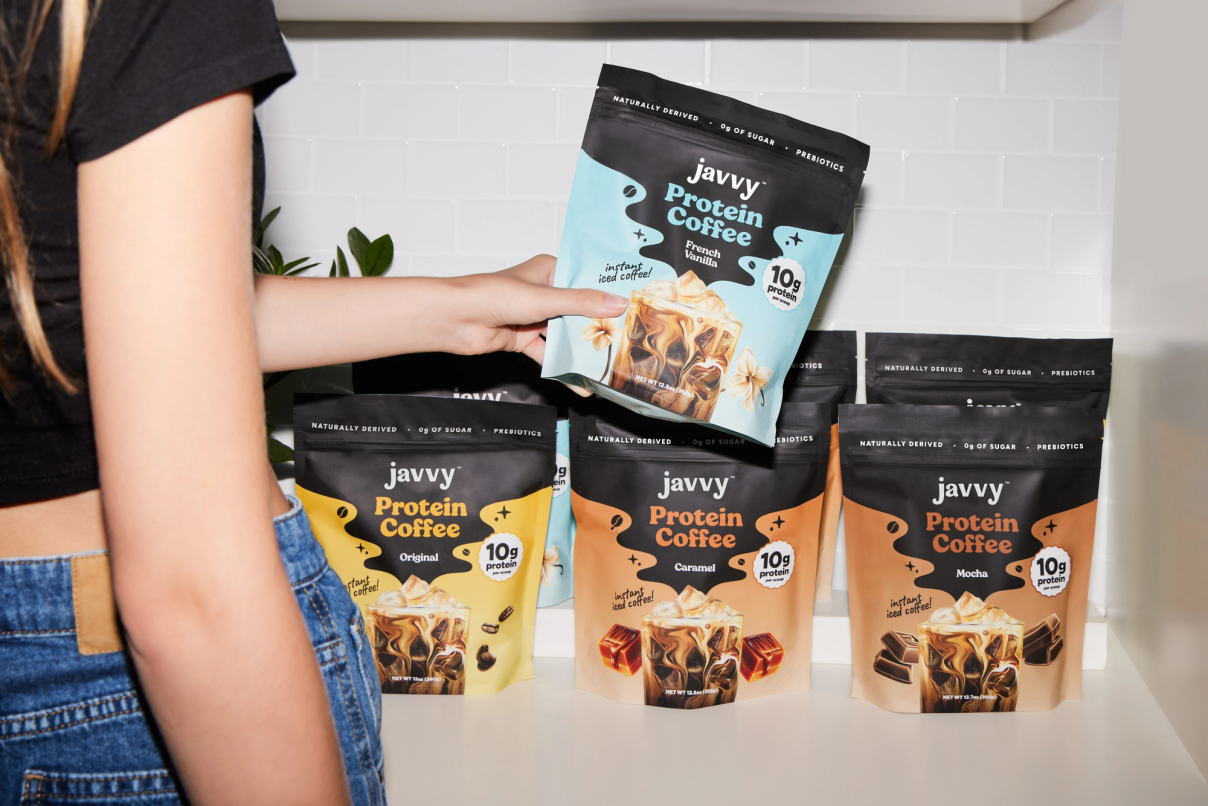
Protein coffee is brewed coffee with added protein, usually mixed in from a powder or ready-to-use blend. That’s it. No magic. No secret formula.
The appeal is practical. Coffee helps you feel alert and focused. Protein slows digestion, supports muscle repair, and helps you feel satisfied longer. Put them together, and you get a drink that carries you through the morning without immediately reaching for a second cup or a snack.
That’s why protein coffee works especially well for people who train early, skip breakfast, or just want something more substantial than plain coffee without committing to a full meal. It fits into a routine you already have instead of asking you to build a new one.
Benefits of Protein Coffee Compared to Protein Shakes
Protein coffee and protein shakes often aim for the same outcome, but they show up differently in daily life.
Protein shakes are great when you want something filling and customizable. You can add fruit, oats, nut butter, seeds, and turn it into a full-on mini meal. They shine when recovery or calorie intake is the priority.
Protein coffee, on the other hand, is simpler. It slips into your coffee habit without extra prep, cleanup, or texture commitment. You’re not drinking something thick and cold when all you wanted was coffee.
Drawbacks of Replacing Protein Shakes With Protein Coffee
A well-built protein shake made with whole foods brings more to the table: fiber, micronutrients, and enough calories to actually carry a meal. Protein coffee isn’t trying to compete with that. It’s designed to support busy moments, not replace a balanced plate.
Caffeine is another piece to consider. If you’re sensitive to it, leaning on protein coffee multiple times a day can mess with sleep or feel like too much.
And then there’s the label trap. Some protein coffees hide added sugars, artificial sweeteners, or fillers behind wellness branding. If you’re not checking ingredients, something that looks efficient can end up less supportive than a simple shake you made yourself.
Best Protein Coffee Types for Weight Loss and Lean Muscle Support
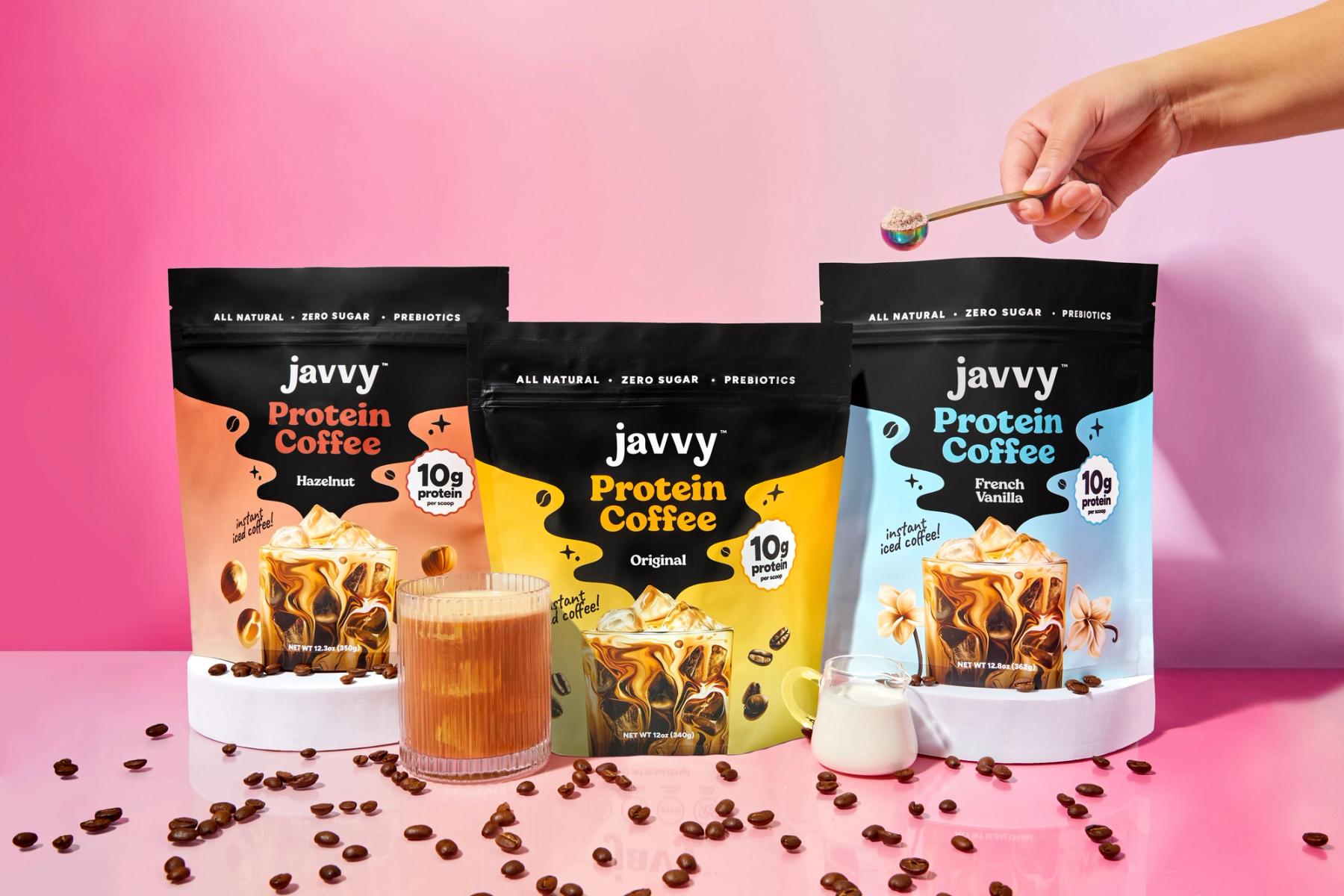
The “best” protein coffee depends on what you’re actually trying to support. If weight loss is the goal, look for protein coffee that’s:
- Lower in calories
- Free from added sugar
- Moderate in protein (around 15–20g per serving)
That combo helps you feel satisfied without pushing calories higher than planned.
If lean muscle support is the priority, protein quality becomes more important than flavor. Whey protein is often favored because it digests quickly and contains all essential amino acids. Well-formulated plant-based proteins like pea or soy can also work when the amino acid profile is complete.
Collagen can improve texture and support joints, but it shouldn’t be the only protein source if muscle growth is the goal. At Javvy, our collagen-based Protein Creamer features 11g of protein, MCTs, and prebiotics while also working to support your hair, skin, and nails.
Key Ingredients To Look for in Protein Coffee for Fitness Goals
Ignore the flavor name for a second and read the label. A solid protein coffee keeps things straightforward:
- High-quality protein (whey isolate, pea protein, or a complete blend)
- Minimal sugar or natural sweeteners
- No artificial colors or unnecessary fillers
Functional additions like MCT oil or goMCT® can help with satiety and how steady the drink feels throughout the morning. They don’t replace protein, but they can improve how protein coffee fits into a real routine.
If the ingredient list feels long, confusing, or sugar-heavy, it’s probably not doing what you think it is.
How To Choose the Right Protein Coffee for Your Lifestyle
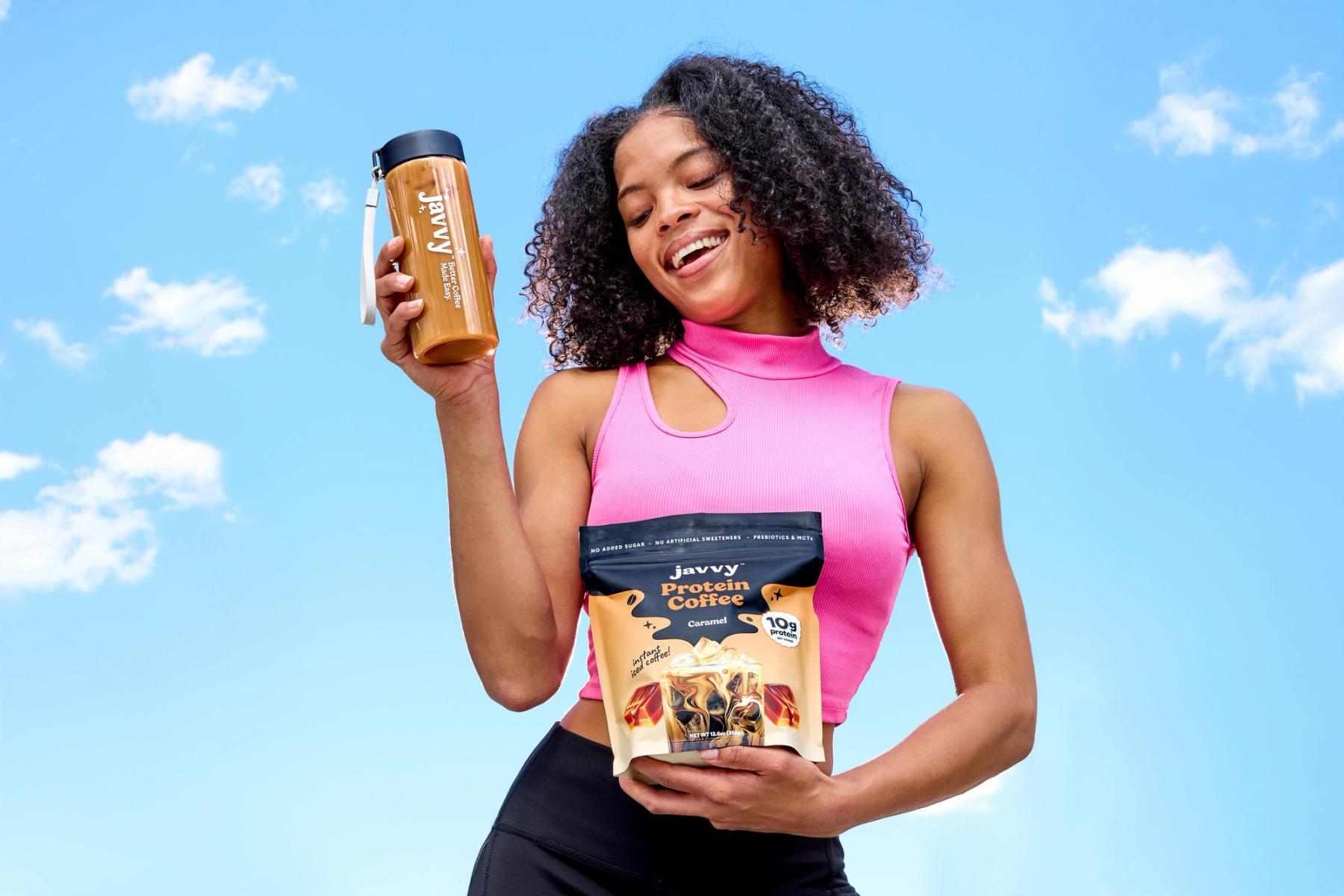
Protein coffee works when it matches your lifestyle, not when you force it. Start with the basics:
- Are you trying to simplify mornings?
- Support workouts without extra prep?
- Hit protein goals more consistently?
If yes, protein coffee can absolutely replace a shake sometimes. Especially earlier in the day or when you don’t want a full meal. If you rely on shakes for calories, fiber, or post-workout recovery with whole foods, protein coffee is better as a complement, not a replacement.
The best setup isn’t all-or-nothing. It’s flexible. Some days call for a shake. Others call for coffee that does a little more than usual. And when protein coffee fits naturally into your routine without messing with sleep, digestion, or appetite.
Shop the Products in This Article

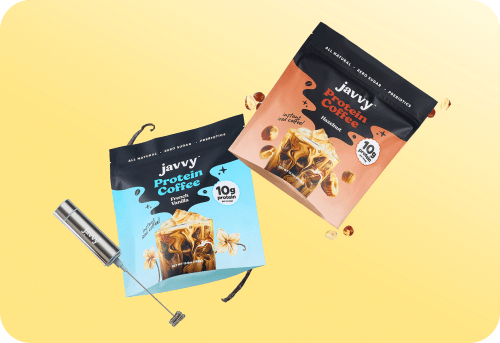
Protein Coffee
100% Real Coffee

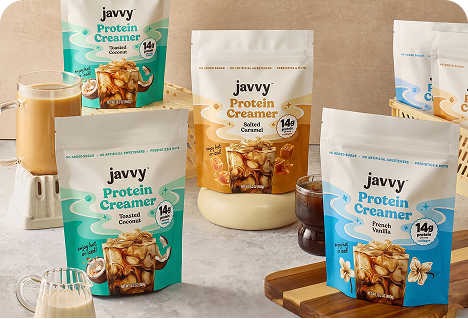
Collagen Creamer
14g Protein per Scoop