





Key Takeaways:
- Protein coffee can taste genuinely delicious when you use high-quality protein and mix it correctly.
- Texture issues usually come down to technique, not the idea itself, and are easy to fix with the right tools.
- Once the base is right, protein coffee becomes a flexible, café-style drink you can tailor to your taste every morning.
Let’s be honest. The idea of adding protein to coffee sounds either genius… or like a mistake waiting to happen. If you’ve ever taken one sip of gritty, chalky “proffee” and immediately regretted it, you’re not alone.
But here’s the thing: protein coffee can taste really good — creamy, smooth, café-level good — when it’s done right. The problem isn’t protein coffee itself. It’s the powder, the mixing, and the shortcuts people take when they’re half awake.
At Javvy, we believe your morning boost should taste as good as it works. This guide breaks down what protein coffee actually tastes like, how to choose the best coffee protein powder for iced shakes, and the simple tricks that turn “meh” into something you actually look forward to drinking.
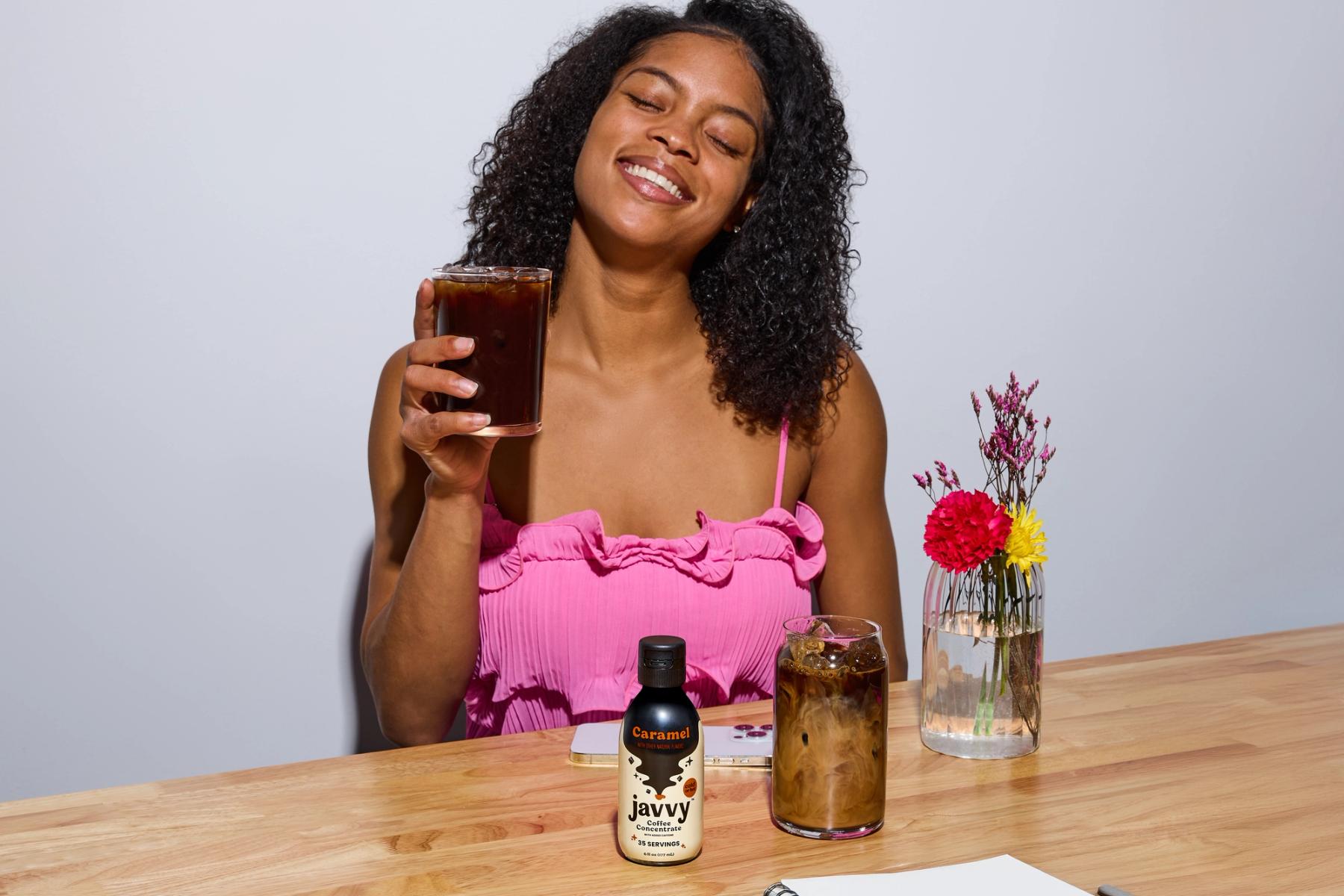
Understanding Protein Coffee Flavor
Protein coffee, sometimes called “proffee,” is exactly what it sounds like: brewed coffee blended with protein powder to boost both caffeine and amino acid intake in one drink. The concept is simple. The experience depends entirely on how it’s made.
When people say protein coffee tastes bad, they’re usually reacting to one of two things: chalky protein or poor mixing. When those two are handled correctly, protein coffee doesn’t taste “healthy” or artificial. It tastes creamy, smooth, and surprisingly café-like.
Flavor starts with the coffee itself. A strong, clean coffee base makes everything better, especially in iced drinks. From there, the protein powder matters just as much. Some proteins dissolve smoothly and disappear into the coffee. Others sit on top, clump up, or leave a grainy finish that no amount of stirring can save.
A well-made protein coffee usually lands somewhere familiar: vanilla latte vibes, chocolate mocha energy, or a lightly sweetened iced coffee with a creamy mouthfeel. When the powder quality is high, and the mixing is right, it doesn’t taste like a compromise. It tastes like an upgrade.
Choosing the Protein Coffee
Iced protein coffee is where flavor issues show up fast. Cold liquid doesn’t hide mistakes, so the protein powder you choose really matters.
Whey protein is a favorite for iced coffee because it mixes easily and has a naturally creamy finish. Plant-based proteins can work well in cold coffee too, but they often add more texture, especially if they’re grain-heavy or poorly blended.
When you’re choosing a protein coffee, a few things matter more than the label hype. Solubility comes first. If it doesn’t dissolve cleanly in cold liquid, the flavor won’t save it. Taste comes next. Vanilla, chocolate, caramel, and mocha are the easiest to pair with coffee without overpowering it.
Clean ingredients matter too. Fewer fillers, lower sugar, and recognizable components almost always translate to better flavor.
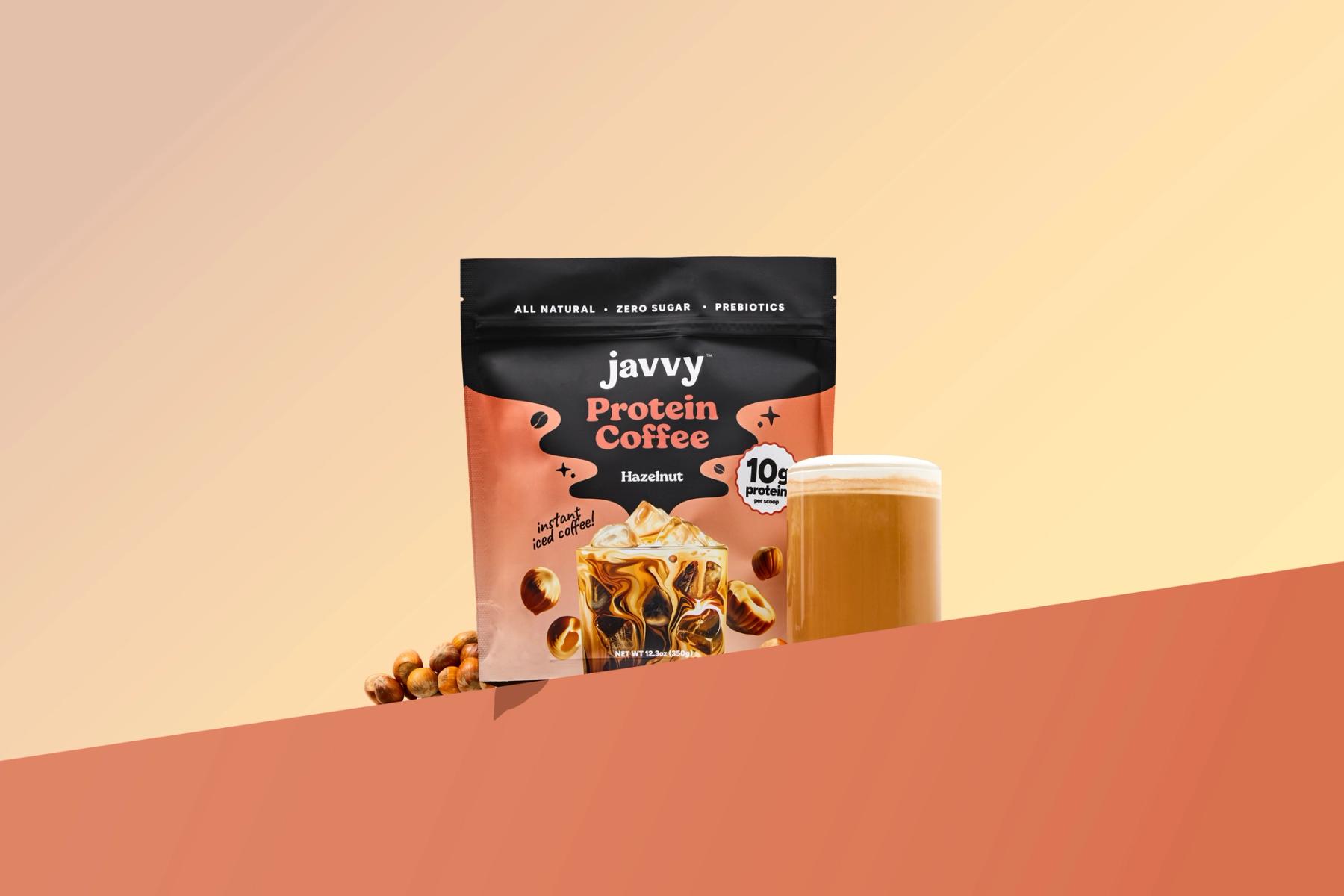
Tips for Enhancing Protein Coffee Taste and Texture
If protein coffee tastes off, it’s rarely unsalvageable. A few small changes make a big difference.
Cold liquids are your friend. Protein tends to dissolve more smoothly in cooler milk or coffee, which helps prevent that gritty texture people associate with bad protein drinks. From there, you can heat it up after the fact, and you’ll want to blend it with a milk frother or blender.
Popular Flavor Combinations for Protein Coffee
Once the base is solid, this is where protein coffee gets fun. A few combinations consistently hit, especially for iced shakes:
- Vanilla Mocha: vanilla protein, cold brew, a light dusting of cocoa, and oat milk for a smooth, café-style finish.
- Chocolate Peanut Butter: chocolate protein blended with cold brew, natural peanut butter, and a splash of almond milk for something rich but balanced.
- Cinnamon Coconut Latte: unflavored or vanilla protein mixed with strong coffee, cinnamon, and coconut milk for a slightly warm, slightly sweet twist.
Flavored protein powders, especially vanilla, chocolate, and coffee-based options, tend to work best here. They soften any bitterness and keep the drink from tasting too “powder forward.” Spices, nut butters, and milk choices let you customize without complicating the routine.
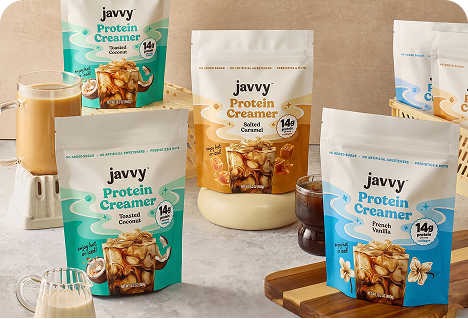
Our collagen-based Protein Creamer provides 11g of protein and comes in delicious flavors like Sweet Cream and Salted Caramel to level up your daily cup.
When protein coffee tastes good, it stops feeling like a hack and starts feeling like something you actually want to drink. And that’s when it sticks.
Shop the Products in This Article

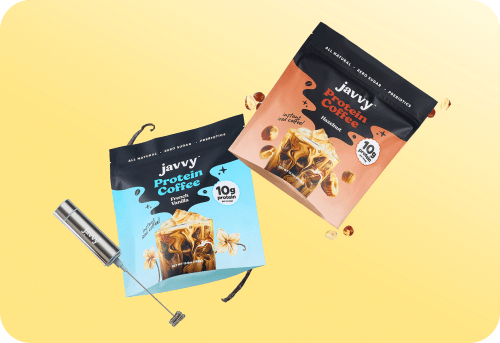
Protein Coffee
100% Real Coffee

Collagen Creamer
14g Protein per Scoop