





Does Protein Work in Iced Coffee? What the Science Says


Does Protein Mix in Cold Coffee?

Cold coffee removes heat-based curdling, but it exposes solubility fast. Some proteins dissolve smoothly in cold liquid. Others clump, foam, or leave grit behind.
The biggest variables are protein source and processing quality. Whey, collagen, and plant-based proteins all behave differently once they hit iced coffee. Understanding which protein works best in coffee makes the difference between a clean sip and a chalky one.
Not all protein is built for cold clarity.
Why Texture Is Where Most Protein Coffee Fails
When people say protein “doesn’t work” in iced coffee, they’re reacting to mouthfeel.
Cold formats highlight:
Protein coffee has evolved quickly because people want smoother energy without turning their drink into a meal replacement. The shift is clear when you look at what protein coffee is and why it’s everywhere right now, it’s no longer just a gym hack.
Coffee should still taste like coffee.
Does Adding Protein Change Caffeine’s Effect?
Another common concern is whether protein weakens caffeine.
Research suggests protein may slow digestion slightly, which can create a steadier energy curve rather than a spike and crash. It doesn’t cancel caffeine. It smooths delivery.
The science behind how adding protein affects caffeine absorption explains why many people experience more sustained focus instead of a sharp drop-off.
That steadier lift is often the goal.
Why Iced Formats Are Leading the Shift
Cold coffee preserves brightness and keeps flavors clean. It also makes texture flaws obvious, which is why lighter protein formats are gaining traction.
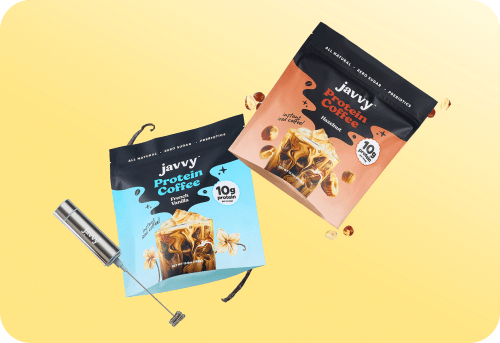
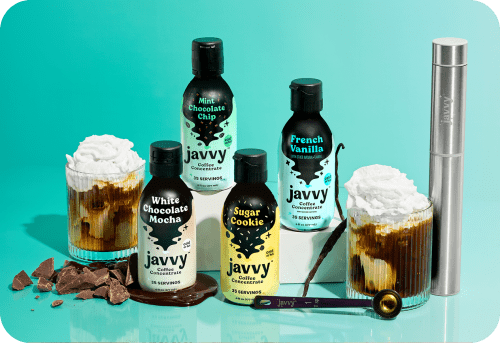
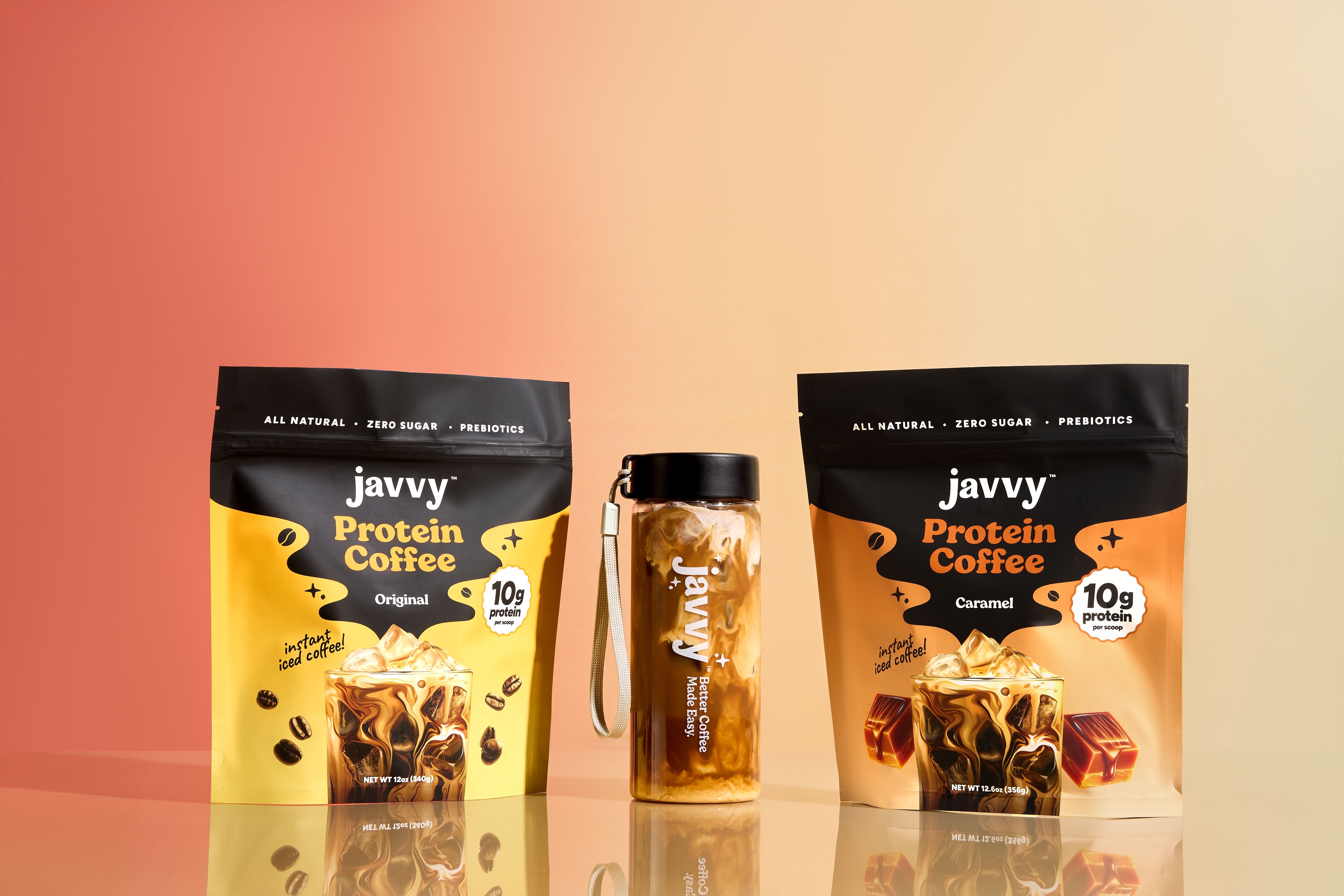
If you’re building drinks at home with Coffee Concentrate, you already know how versatile cold coffee can be. And if you prefer a creamier, cold-only option, Protein Coffee delivers real coffee with no added sugar and smooth energy in seconds.
The next wave of protein coffee isn’t about thickness. It’s about clarity. Refreshment. Drinkability.
Final Thoughts
Protein absolutely works in iced coffee, when the protein is designed for it.
Cold formats demand better solubility. Better texture. Better balance. The category is moving toward lighter, cleaner applications that feel like coffee first and function second.
And that’s where things get interesting.
Got it. Simple FAQs. No internal links inside them. Clean, high-intent, direct — like we’ve done in previous Javvy posts.
Here’s the refined FAQ section:
FAQs
Can you mix protein powder into iced coffee?
Yes. Protein can mix well in iced coffee, but the type matters. Some blends dissolve smoothly in cold liquid, while others may clump or feel gritty. Choosing a protein designed for cold formats makes a noticeable difference.
Why does protein sometimes clump in coffee?
Clumping usually happens because the protein isn’t highly soluble in cold liquid. Temperature, acidity, and mixing method all play a role. Cold coffee highlights texture issues more than hot coffee does.
Does adding protein reduce caffeine’s effect?
No. Protein doesn’t cancel caffeine. It may slow digestion slightly, which can create a steadier energy curve instead of a sharp spike and crash.
Is iced protein coffee healthier than a protein shake?
It depends on your goal. Protein shakes are often thicker and more meal-like. Iced protein coffee tends to feel lighter and easier to incorporate into a daily routine, especially for energy and focus.
What’s the best way to mix protein into iced coffee?
Add the protein first, pour in cold liquid, shake or blend until fully dissolved, then add ice. Mixing before adding ice helps improve texture and reduce separation.