



How Much Caffeine Is in One Shot of Espresso?
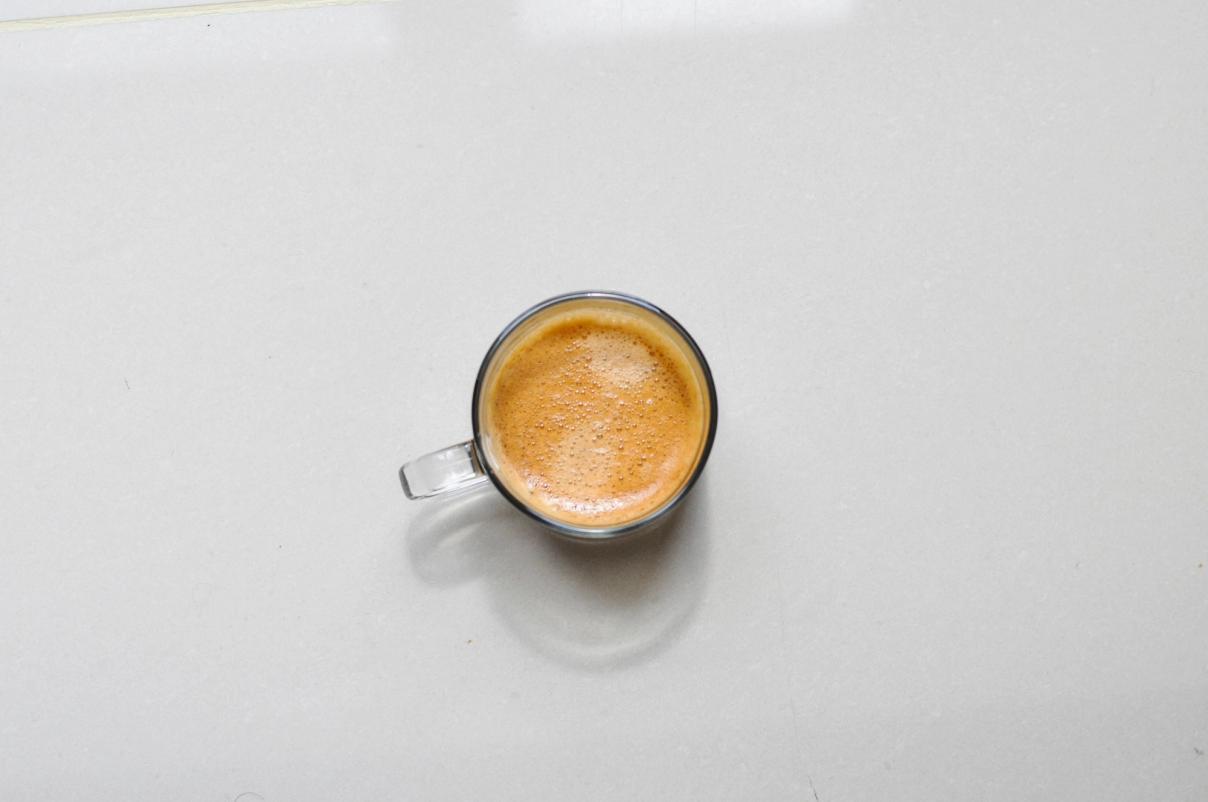
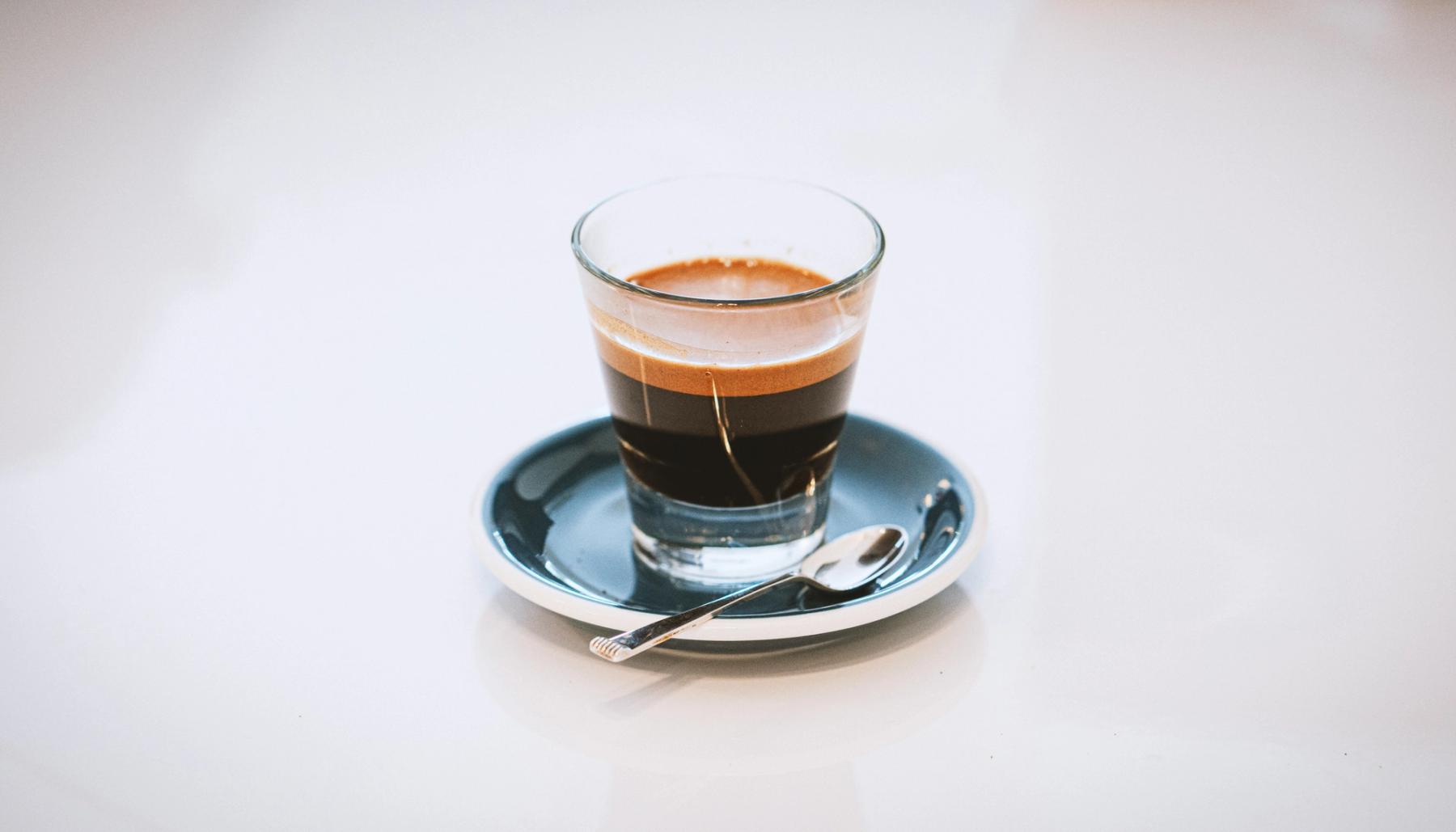
A standard single shot of espresso (about 1 ounce) typically contains 60-75 mg of caffeine.
That number can vary slightly depending on the coffee beans, grind size, and extraction, but most cafés fall within this range. Espresso is brewed under pressure, which extracts caffeine quickly and efficiently.
Because of that concentration, espresso feels intense even though the serving size is small.
How Much Caffeine Is in 3 Shots?
If one shot contains 60-75 mg of caffeine, three shots add up fast.
Most triple-shot drinks land between 180 and 225 mg of caffeine, which is nearly half of the commonly referenced 400 mg daily limit for healthy adults.
For comparison, an 8-ounce cup of brewed coffee usually contains 80-120 mg. Espresso delivers more caffeine in less volume.
Why Espresso Feels Stronger Than Coffee
Espresso is concentrated, not necessarily more caffeinated by default.
Milk-based drinks like lattes and cappuccinos spread those shots out over more liquid, which changes how the caffeine feels. The structure of drinks like lattes, cappuccinos, and other espresso-based favorites affects texture and perceived strength, even when the caffeine stays the same.
That’s why a triple-shot latte can feel smoother than drinking espresso straight.
How 3 Shots Compare to Other Coffee Formats
Caffeine isn’t just about the drink; it’s about concentration and volume.
Cold brew strength can vary widely depending on how it’s prepared, especially when using concentrated formats like cold brew concentrate. A diluted cold brew may feel milder, while a concentrated one can rival multi-shot espresso drinks.
Understanding how your coffee is built matters more than the label.
Choosing a Strong Coffee Base at Home
If you’re recreating espresso-style drinks at home, consistency matters.
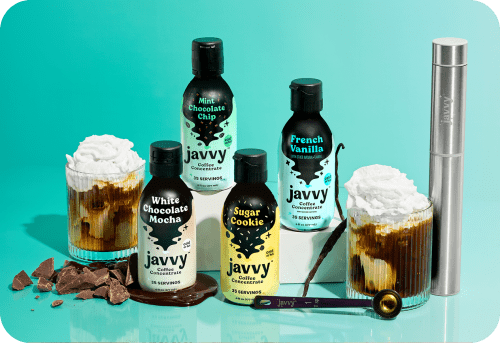
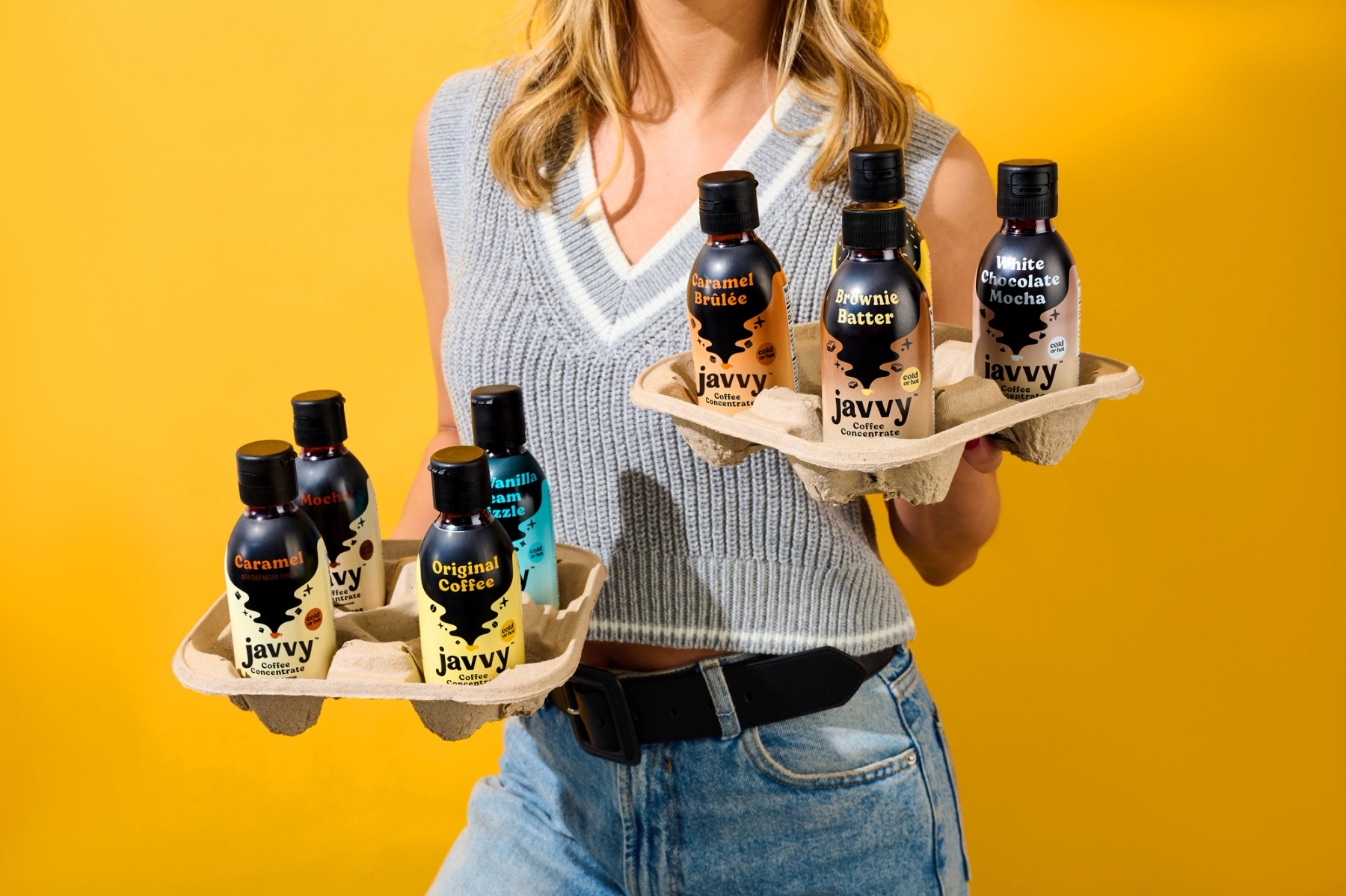
Many people use Javvy Coffee Concentrate as a base because it delivers bold coffee flavor without needing an espresso machine. It allows you to control strength by adjusting how much you use.
For milk-based drinks, pairing a strong base with a smoother texture helps keep triple-shot-style drinks balanced.
Managing Energy Without Overdoing It
Caffeine tolerance varies from person to person.
Some people feel focused and energized after three shots. Others may feel jittery or overstimulated, especially if caffeine intake is clustered early in the day.
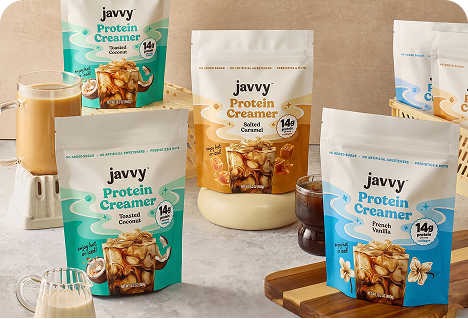
Pairing caffeine with fat or protein can slow absorption for some people, which is why drinks made with Protein Creamer or balanced add-ins often feel steadier than straight espresso.
Final Thoughts
Three shots of espresso typically contain 180-225 mg of caffeine.
It’s a powerful option, especially if you enjoy concentrated coffee flavor or need a stronger boost. How it feels depends on your tolerance, how it’s prepared, and what you pair it with.
Knowing the numbers helps you build a coffee routine that works for your energy, not against it.
Shop the Products in This Article

Collagen Creamer
14g Protein per Scoop