





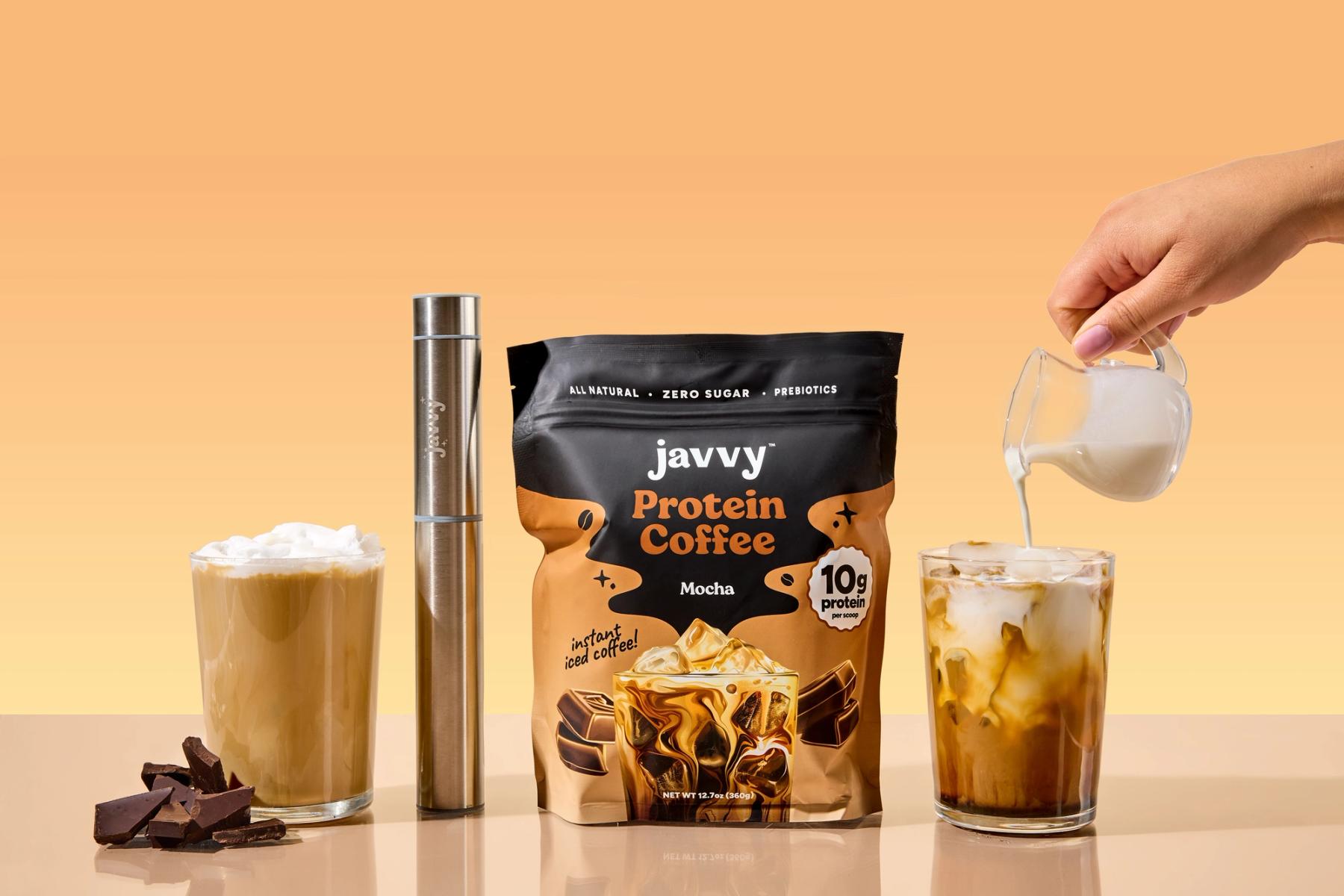
Protein and Heat Don’t Mix Well
Most protein coffee is made with whey protein.
When whey is exposed to heat, it can denature and clump, creating a grainy texture and muted flavor. That’s why hot protein coffee often feels chalky or overly foamy, even if you stir well.
Cold liquids keep protein stable, smooth, and fully dissolved, which is essential for a drink you actually want to finish.
If you’re curious why some proteins behave better than others, this breakdown of which protein works best in coffee, whey, collagen, or plant-based explains the science behind it.
Iced Protein Coffee Tastes Better
Cold temperatures do something important: they soften bitterness.
In iced protein coffee, the chill mutes harsh coffee notes and lets flavor come through more cleanly. That means:
- Smoother coffee taste
- Better balance between coffee and protein
- Less need for sweeteners
That’s why iced protein coffee tends to feel lighter and more refreshing, even when it’s delivering real fuel.
Texture Is the Biggest Difference
Texture is where iced protein coffee really wins.
Cold preparation:
- Keeps protein fully dissolved
- Prevents curdling or separation
- Creates a creamy, café-style mouthfeel
Hot protein coffee, on the other hand, can thicken unpredictably or develop foam that throws off the drink. If texture matters to you (and it should), iced is the clear choice.
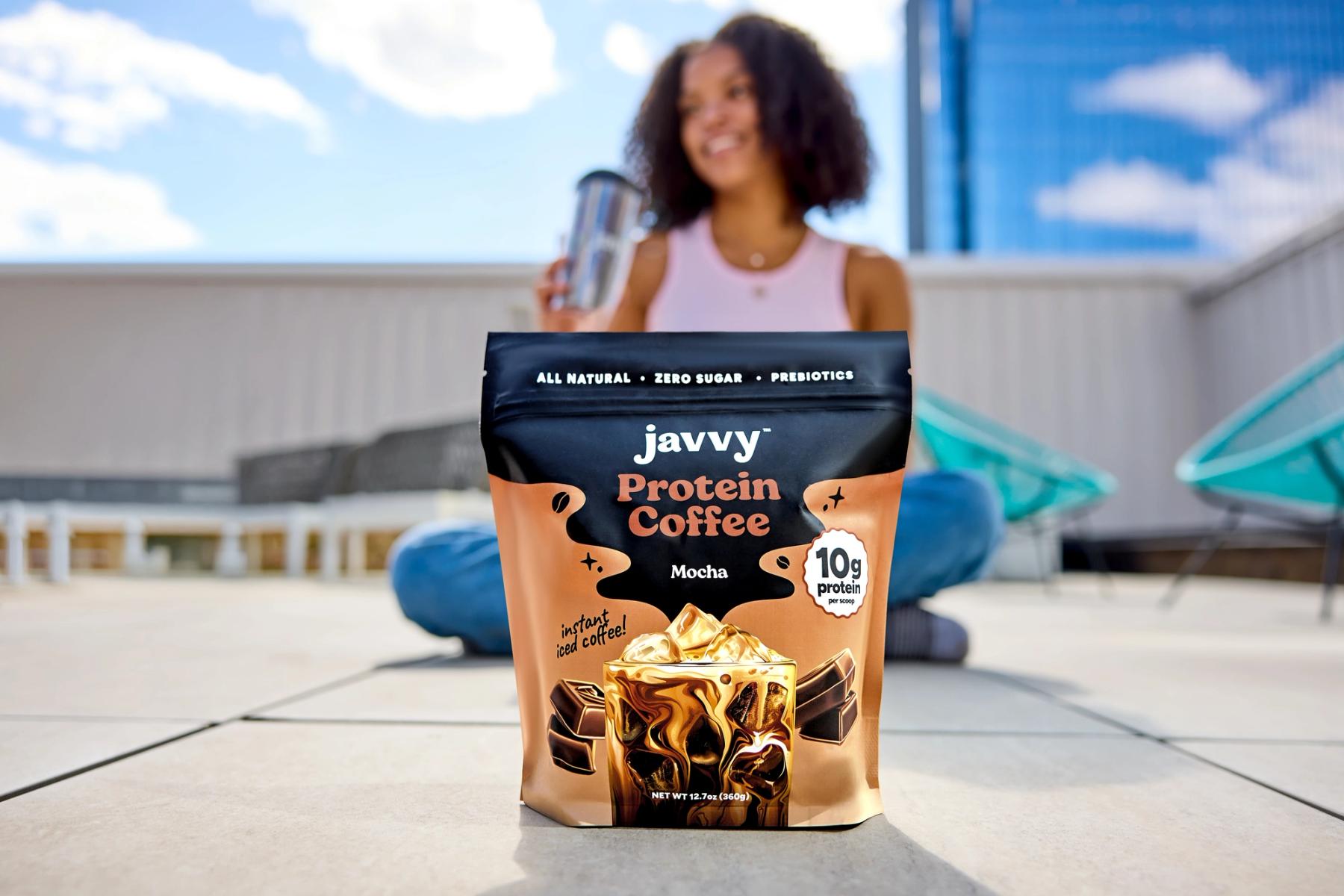
Iced Protein Coffee Fits Real Routines
Most people reach for protein coffee when they want:
- A faster breakfast
- A satisfying morning drink
- Something that bridges coffee and food
That’s why iced protein coffee often replaces breakfast or snacks for busy mornings. Whether that works for you depends on your routine, which is why understanding whether protein coffee works as a meal replacement can help set expectations.
Simple Iced Protein Coffee Recipe
This is the most reliable way to make protein coffee at home.
Iced Protein Coffee
You’ll need:
- Protein Coffee
- Cold water or cold milk (milk = creamier sip)
Steps:
- 1Add Protein Coffee to a glass or shaker
- 2Add cold water or cold milk
- 3Shake or stir until fully mixed
- 4Add ice
- 5Top with cinnamon or nutmeg if desired
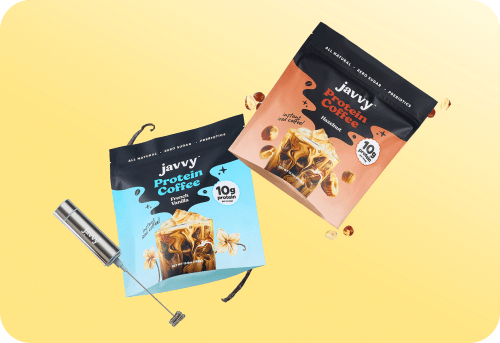
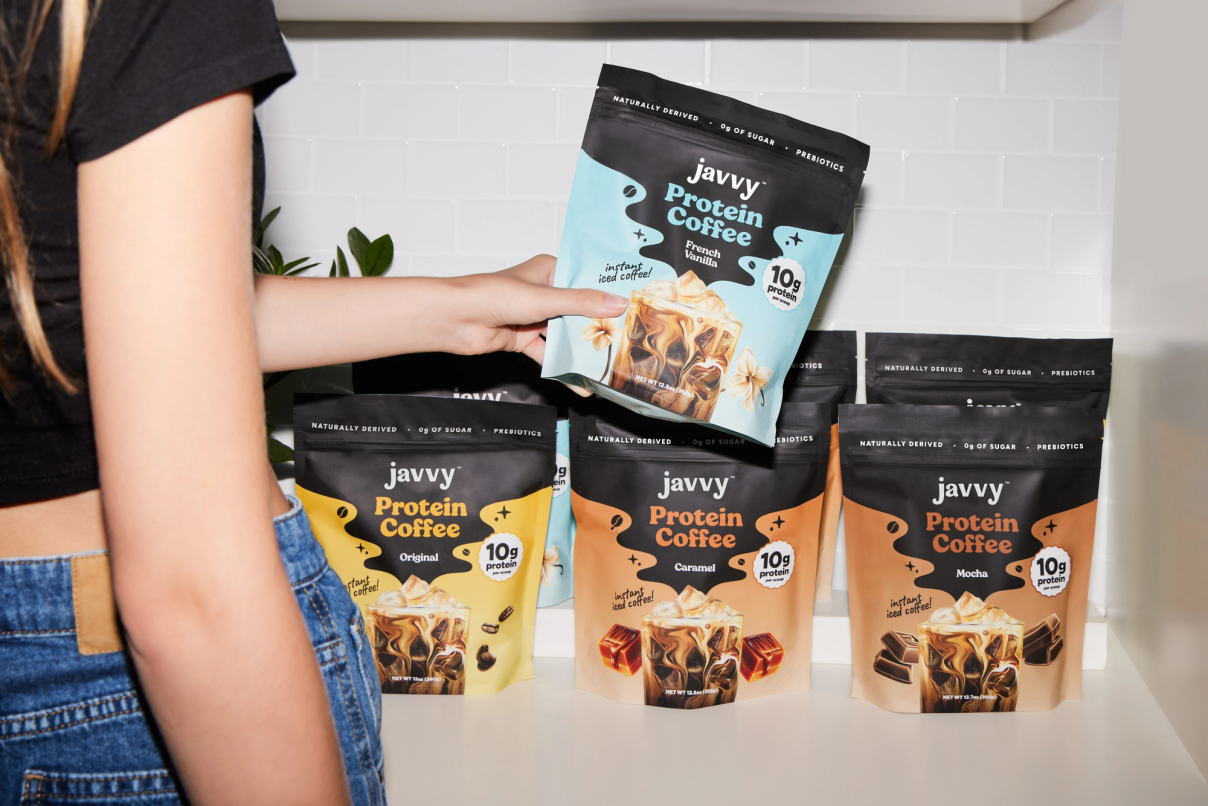
Many people start with approachable flavors like French Vanilla Protein Coffee before branching out.
If you want more ideas, the Javvy recipe library has iced-first protein coffee recipes designed to stay smooth.
Final Thoughts
Protein coffee isn’t meant to be hot.
Cold preparation keeps the drink smooth, flavorful, and easy to enjoy, without clumps, bitterness, or texture issues. If protein coffee has ever disappointed you, chances are it was prepared hot.
Keep it cold.Add ice last.Let the coffee do the rest.
Shop the Products in This Article

Protein Coffee
100% Real Coffee