




Why Decaf Coffee Often Tastes Worse Than Expected
The biggest issue with decaf is how caffeine is removed.
Some methods strip away flavor along with caffeine, leaving coffee that tastes thin or dull. Others preserve the character of the beans and keep the coffee tasting like coffee.
That’s why two decaf coffees can taste completely different even when made from similar beans.
Decaffeination Method Matters
If taste is your priority, this is the first thing to look at.
Methods that focus on gently removing caffeine tend to preserve flavor better. When the process is harsh, bitterness increases and natural sweetness disappears.
Flavor loss during processing is one reason decaf can feel “off,” similar to how brewing choices affect taste across different coffee styles, including comparisons like coffee strength and flavor differences.
Roast Level and Flavor Balance
Decaf coffee often tastes best at medium to medium-dark roasts.
Light roasts can taste sharp or hollow once caffeine is removed. Dark roasts can mask flaws, but if pushed too far, they become bitter.
The goal is balance: enough roast to bring out chocolatey, nutty notes without burning the cup.

Body and Mouthfeel Matter More With Decaf
Because caffeine contributes to perceived intensity, decaf relies more heavily on body and texture.
Decaf that tastes thin usually feels unsatisfying, even if the flavor itself isn’t bad. Fuller-bodied formats tend to perform better, especially in milk-based or iced drinks.
This is why some people prefer concentrated or bold brewing formats for decaf, similar to how coffee concentrates maintain flavor even when diluted.
Brewing Method Makes a Big Difference
Decaf benefits from brewing methods that emphasize smoothness.
Cold brew, concentrate-style brewing, and espresso-adjacent ratios tend to extract flavor more evenly from decaffeinated beans.
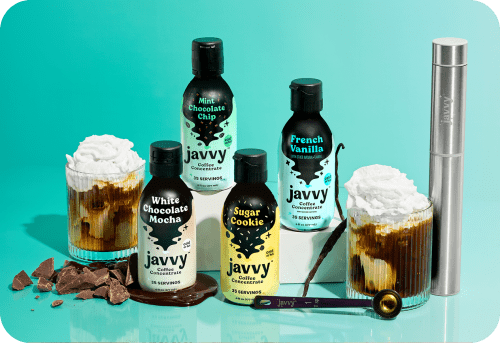
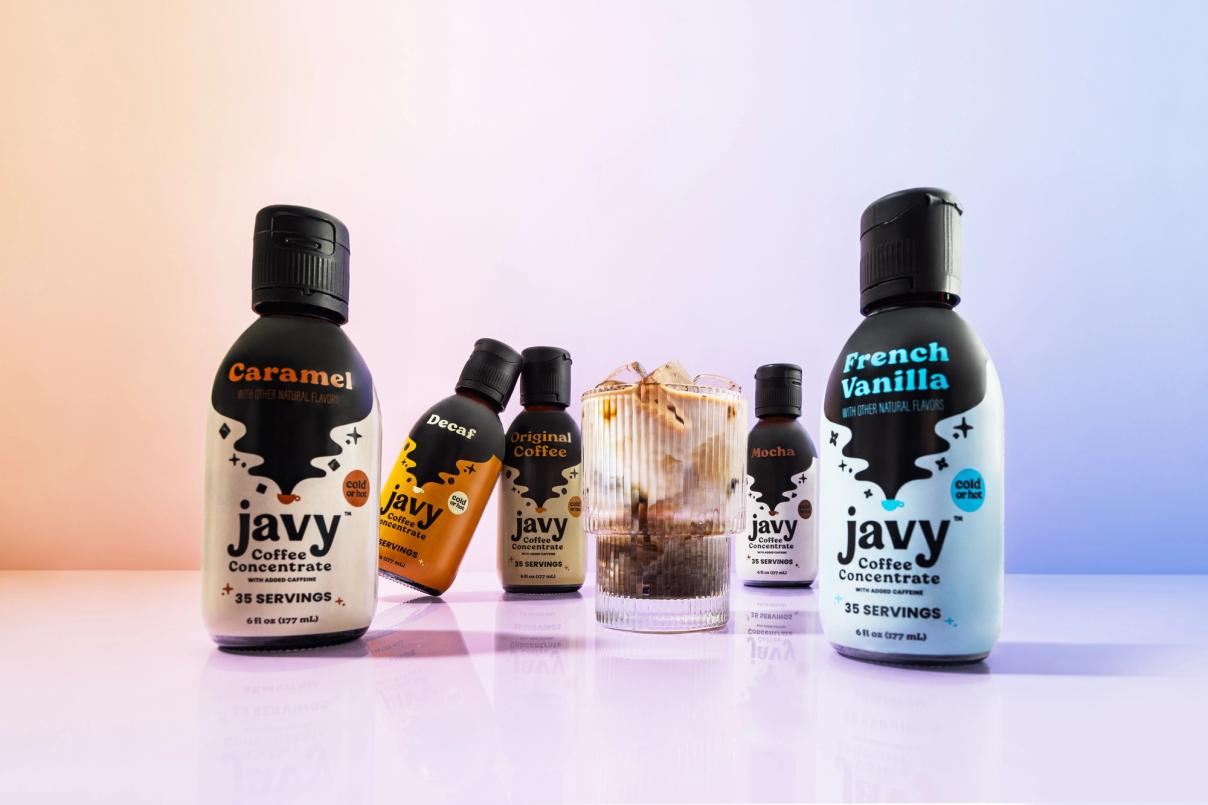
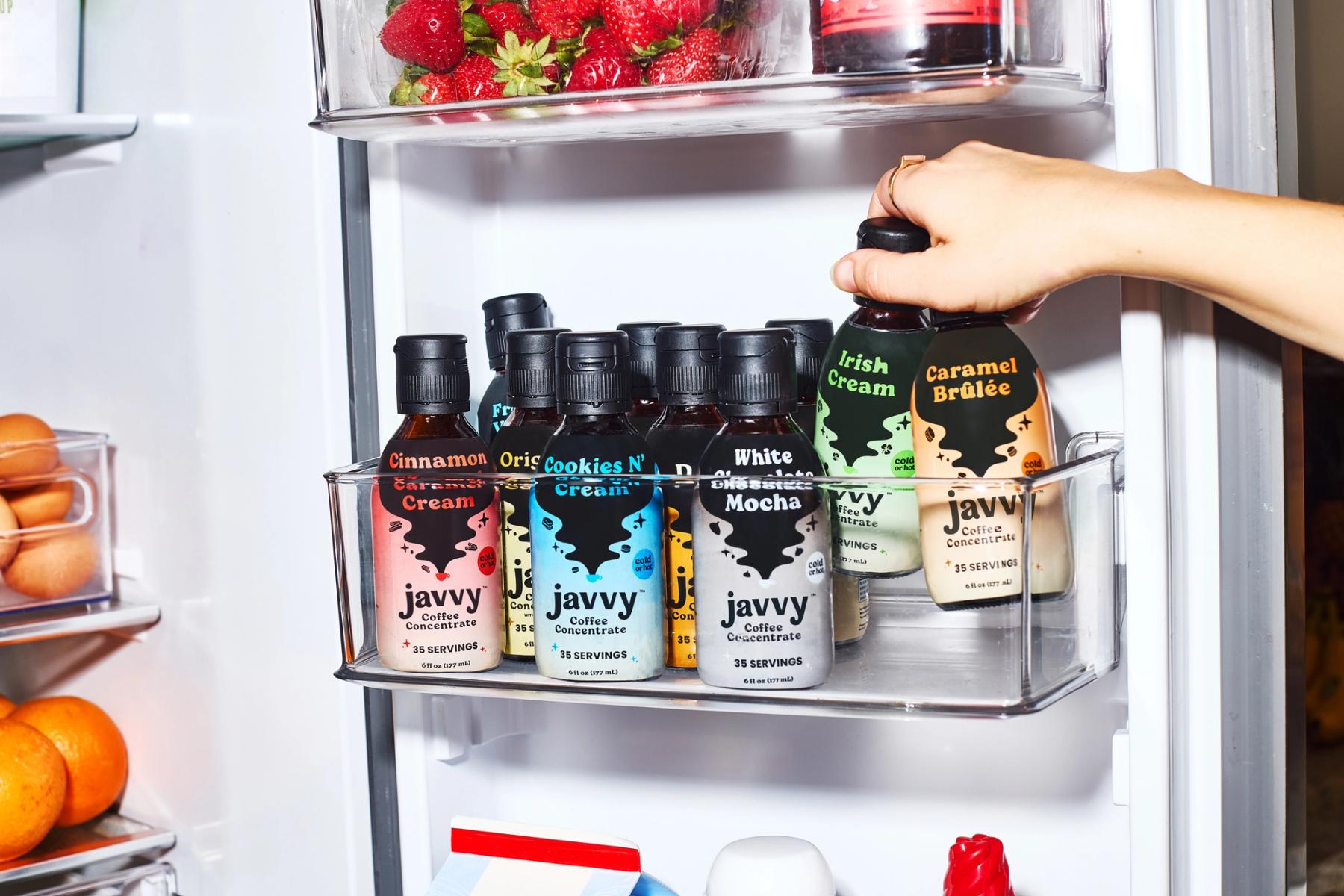
Using a strong base like Coffee Concentrate helps decaf hold up better in iced drinks or milk-based coffee without tasting watered down.
Making Decaf Taste Better at Home
A few small tweaks go a long way:
- Use slightly more coffee than you would with regular beans
- Brew a little slower to avoid sharp notes
- Pair decaf with milk or foam to soften bitterness
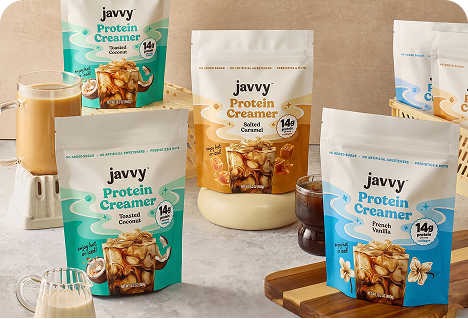
If you enjoy flavored or creamy decaf drinks, adding texture helps. A scoop of Protein Creamer can round out the cup without relying on sugar.
For sweetness without overpowering the coffee, Coffee Syrup can add balance rather than masking flavor.
Who Decaf Is Actually For
Decaf isn’t just for avoiding caffeine entirely.
Many people use decaf:
- In the afternoon or evening
- To reduce total daily caffeine
- To enjoy coffee flavor without stimulation
Understanding how much caffeine remains in decaf helps set expectations, especially when building routines that still include some caffeine earlier in the day, like those explored in how much caffeine is too much.
Decaf is about flexibility, not compromise.
Final Thoughts
The best tasting decaf coffee doesn’t taste like a substitute.
It tastes balanced, smooth, and intentional. When processing is gentle, roasting is thoughtful, and brewing supports body, decaf can be just as enjoyable as regular coffee.
The difference isn’t caffeine. It’s care.
Shop the Products in This Article

Collagen Creamer
14g Protein per Scoop