






The Core Difference Comes Down to Texture
Both options deliver protein. The experience is completely different.
Protein shakes are:
- thick
- creamy
- filling
- slower to drink
Clear protein drinks are:
- light
- water-based
- refreshing
- easy to sip
That difference shapes how and when people use them.
A shake feels like a small meal. A clear protein drink feels like something you can drink anytime.
When Protein Shakes Make More Sense
Protein shakes still have a strong place, especially when you want something more substantial.
They’re typically used for:
- post-workout recovery
- meal replacements
- higher protein intake
Because they’re more filling, they work well when you need something that holds you over.
But that same quality can make them harder to drink in everyday situations.
When Clear Protein Works Better
Clear protein drinks open up different use cases.
They’re better suited for:
- between meals
- during the afternoon slump
- before workouts
- hot weather or travel days
Because they feel lighter, they’re easier to drink consistently.
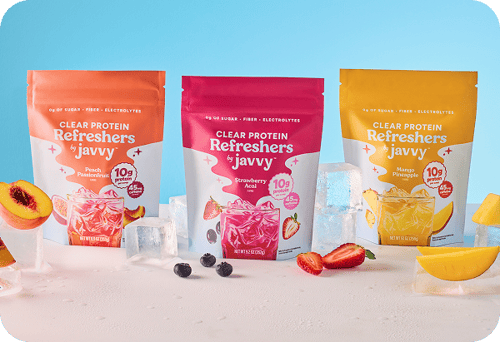
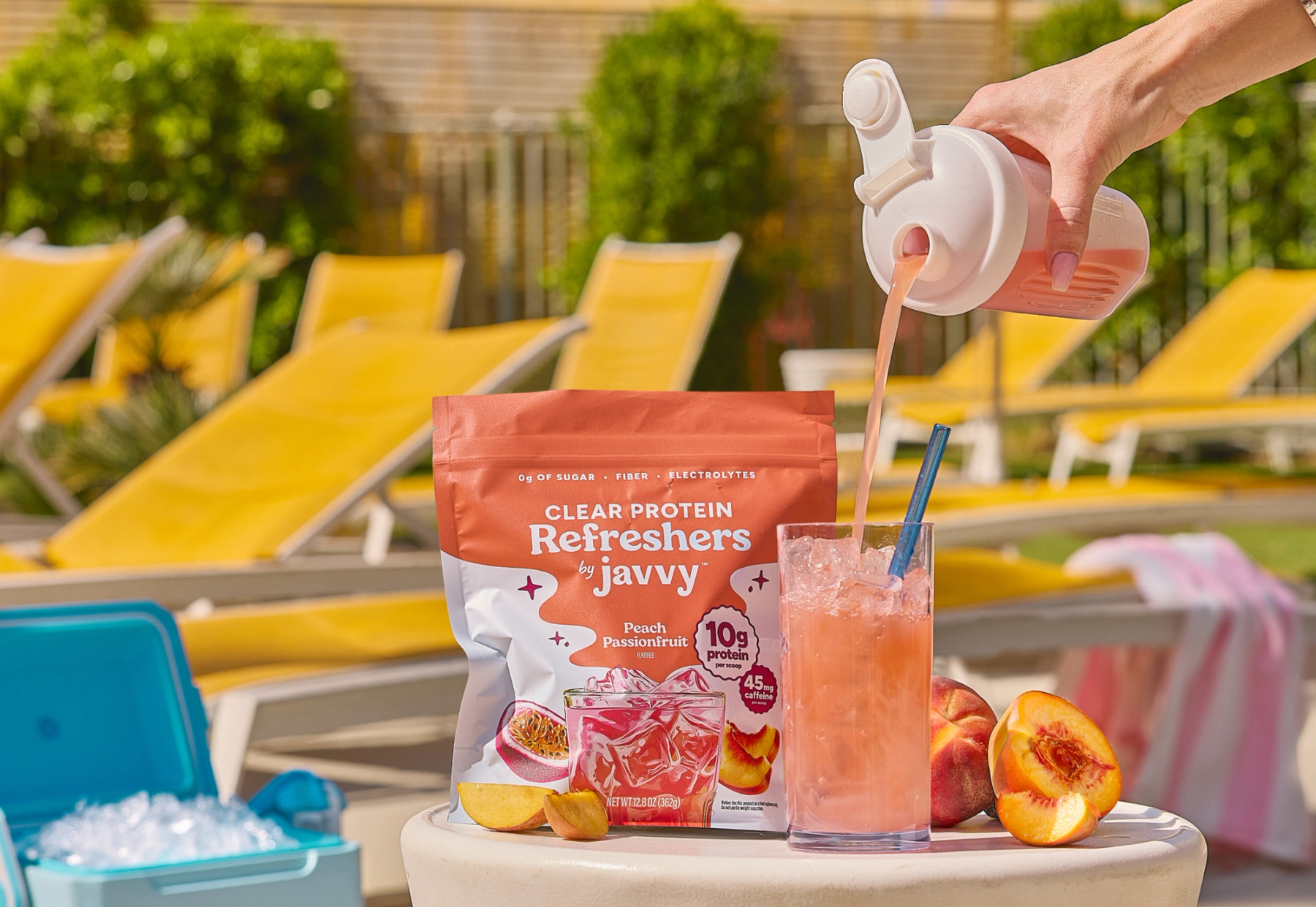
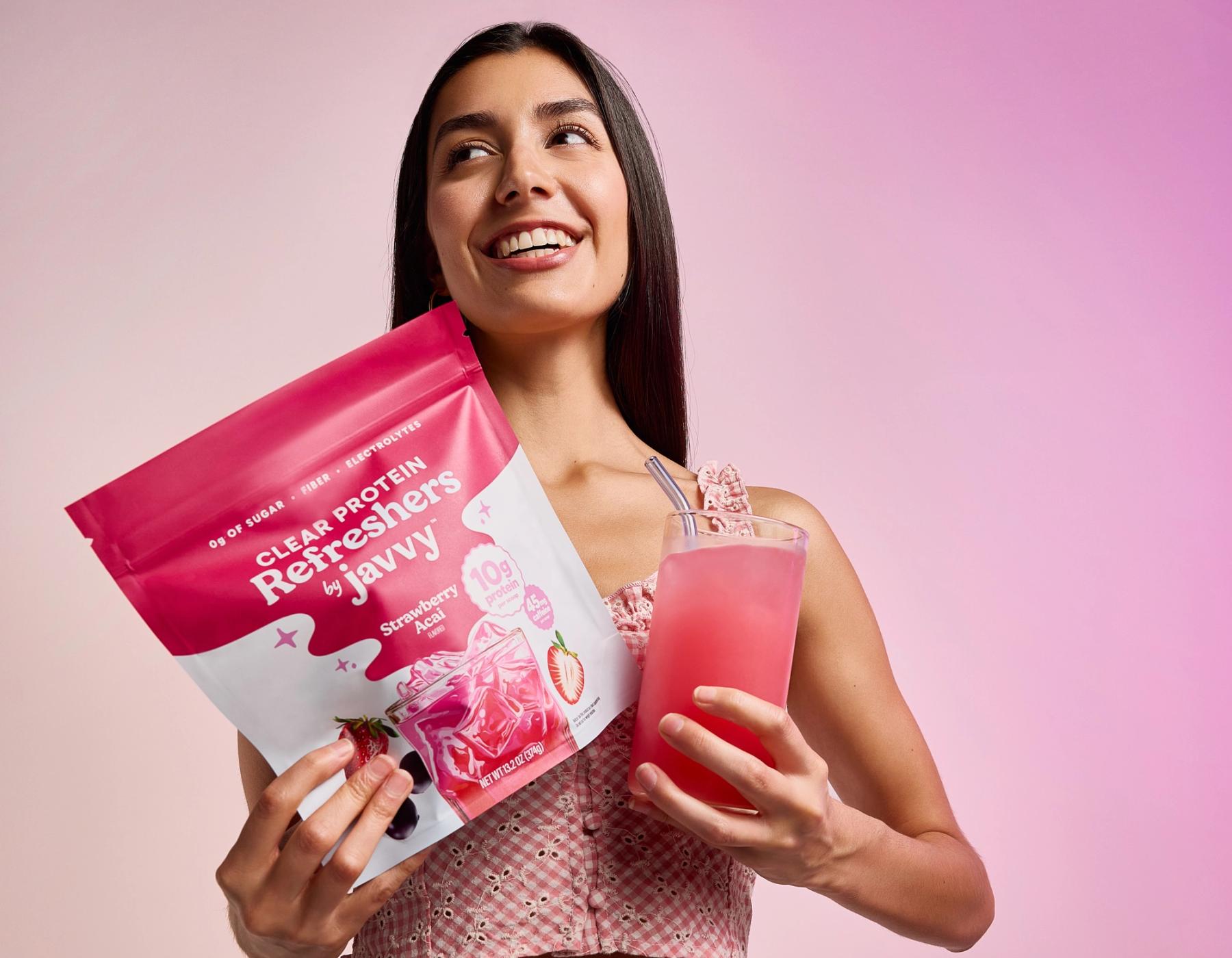
That’s where something like protein refreshers fits: a lighter way to get protein, hydration, and energy without the heaviness of a shake.
Why More People Are Choosing Lighter Formats
The shift toward clear protein isn’t random.
People are moving away from:
- heavy shakes during the day
- overly sweet drinks
- high-stimulation energy products
They’re looking for something that feels balanced.
Clear protein drinks meet that demand by combining:
- protein
- hydration support
- lighter caffeine levels
This layered approach is part of why functional drinks are evolving so quickly.
You can see it clearly in how protein and hydration are starting to show up together more often, rather than being treated as separate categories.
Digestion and Drinkability
One of the most common reasons people switch to clear protein is how it feels to drink.
Thick shakes can feel heavy or overly filling, especially if you’re not using them as a meal replacement.
Lighter formats tend to feel easier to drink throughout the day, which is why many people explore whether clear protein drinks feel easier to digest.
It’s not just about ingredients. It’s about how the drink behaves.
It’s Not About Replacing, It’s About Expanding
Clear protein isn’t replacing protein shakes.
It’s expanding when protein fits into your day.
Shakes still make sense for recovery and more structured nutrition. Clear protein drinks make sense for flexibility, the moments in between.
That’s also why more people are thinking about when to actually drink a protein refresher instead of limiting protein to workouts.
See the Difference in a Real Drink
The easiest way to understand the difference is to try it.
A recipe like the Mango Pineapple Tropical Cooler shows how clear protein drinks can feel more like a refreshing beverage than a traditional shake.
Final Thoughts
Protein shakes and clear protein drinks serve different purposes.
Shakes are structured. Filling. Recovery-focused.Clear protein drinks are lighter. More flexible. Easier to repeat.
The better option depends on what you need.
But for everyday use, lighter formats are becoming the one people actually stick with.
Shop the Products in This Article

Refresher
10g Protein