





Clear Protein vs Traditional Whey: What’s the Real Difference?


What Is Traditional Whey Protein?
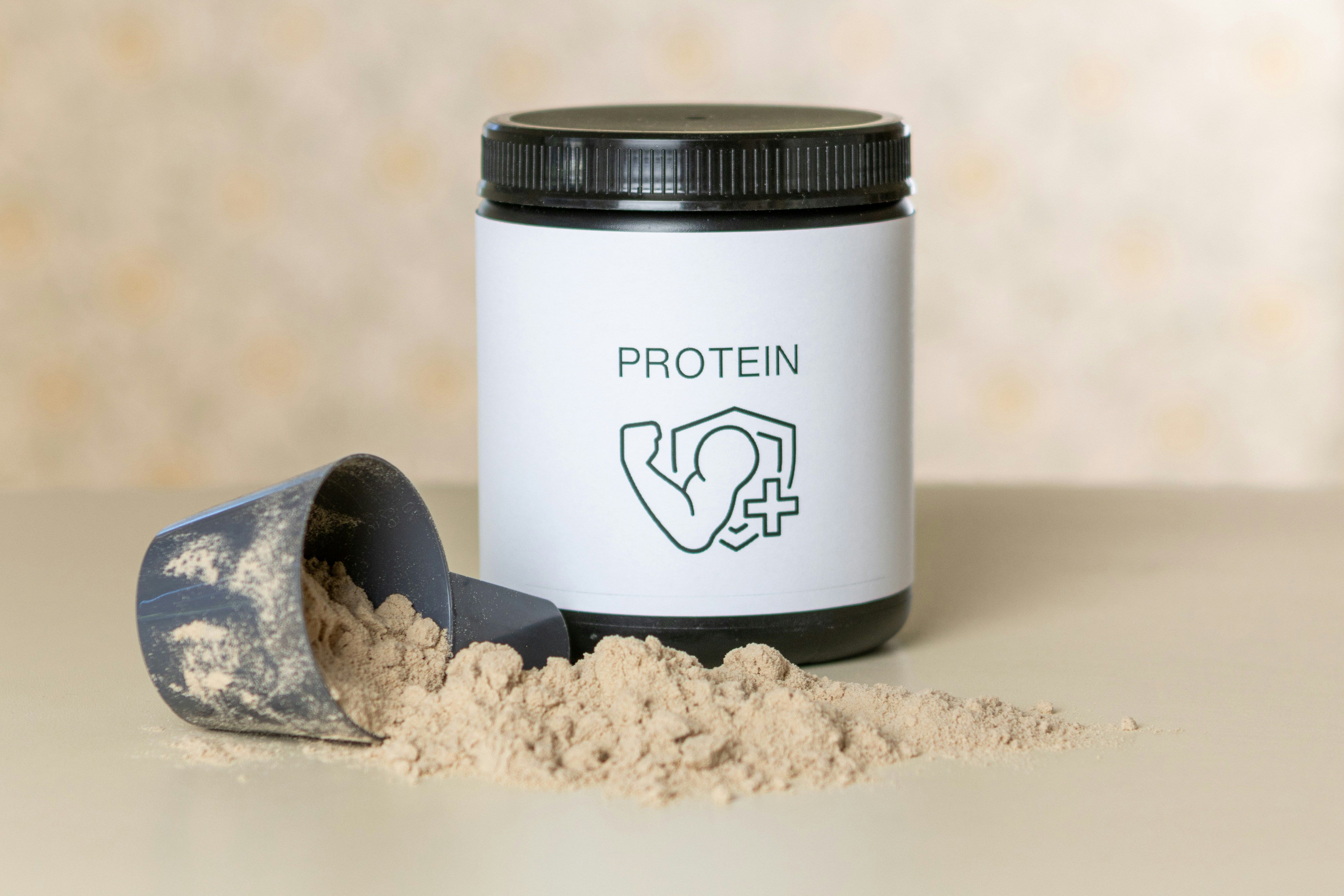
Traditional whey protein is the format most people know. It’s the classic powder used in shakes, smoothies, and post-workout drinks. Once you mix it with liquid, it creates that creamy, thicker texture people usually associate with protein.
That’s part of why it feels more filling. In a lot of cases, it lands somewhere between a beverage and a snack.
Whey itself is still a complete protein, which is one reason it’s stayed so popular. The Harvard T.H. Chan School of Public Health’s protein overview breaks down why complete proteins matter, especially for muscle repair and recovery.
What Is Clear Protein?
Clear protein usually starts with whey too, but it’s processed differently so it dissolves into water without turning creamy.
That changes the whole experience. Instead of something thick and milky, you get a lighter drink that feels closer to a flavored water or juice-style beverage.
That shift matters more than people expect. Texture plays a huge role in whether a protein drink feels satisfying or just heavy. It’s the same reason people keep revisiting the question of whether protein coffee can replace a protein shake; the format changes the role the drink plays in your day.
The Real Difference Is Texture
On paper, both traditional whey and clear protein can deliver protein. In practice, they don’t feel anything alike.
Traditional whey tends to be:
Clear protein tends to be:
That’s why clear protein appeals to people who are over the heaviness of standard shakes. It still gives you the functional benefit, but the drinking experience feels easier.
A lot of the same frustration shows up when people talk about clumping, density, and mixability in other protein beverages too. It’s the same reason people care about which proteins mix smoothly in beverages. The goal is protein benefits without the chalky finish.
Why Clear Protein Feels More Modern
Consumer preferences have shifted. People still want protein, but they don’t always want a drink that feels like a meal replacement.
Clear protein fits a more everyday routine:
That’s also why it pulls people who might otherwise reach for sugary drinks or overstimulating energy products. The appeal isn’t just protein. It’s protein in a format that feels lighter and more drinkable.
If you’re already trying to get away from sweet, unstable energy, breaking up with sugar and avoiding the crash is part of the same conversation.
What About Energy and Caffeine?

This is where clear protein drinks can start to overlap with the functional beverage category more broadly.
Not every clear protein drink includes caffeine, but when it does, the dosage matters. Lower-caffeine formats feel very different from the standard 150–200mg energy drink model. The Mayo Clinic’s caffeine guide is a useful reminder that more isn’t always better, especially if you’re trying to avoid jitters or a hard crash later.
That’s part of why lighter functional drinks have momentum right now. They don’t rely on intensity alone.
Which One Should You Choose?
It depends on what you want the drink to do.
Traditional whey makes more sense when you want:
Clear protein makes more sense when you want:
Neither one replaces the other completely. They just serve different moments.
Final Thoughts
Traditional whey built the protein shake category. Clear protein is expanding it.
The biggest difference isn’t whether one “works” and the other doesn’t. It’s how they feel. One is creamy and substantial. The other is lighter, cleaner, and easier to drink casually.
For a lot of people, that difference is the whole point.
FAQs
Is clear protein the same as whey protein?
Clear protein is usually made from whey, but it’s processed differently so it dissolves into a lighter, juice-style drink instead of a creamy shake.
Does clear protein have the same benefits as traditional whey?
It can still provide complete protein, but the experience is different. The biggest shift is texture, not the idea of protein itself.
Why are regular protein shakes so thick?
Traditional whey is designed to create a creamy, filling texture when mixed with liquid. That’s part of what makes it feel heavier.
Are clear protein drinks better for hydration?
They often feel more hydrating because they mix with water and have a lighter consistency, especially compared with thicker shake formats.
When should you drink clear protein?
It works well between meals, after workouts, or anytime you want protein in a lighter, more refreshing format.