






The Short Answer
Yes, decaf coffee still contains caffeine.
Not much. But not zero.
Decaffeination removes the vast majority of caffeine, not all of it. That’s why decaf is best described as very low-caffeine, not caffeine-free.
How Much Caffeine Is in Decaf Coffee?
Most decaf coffee contains about 2–7 mg of caffeine per cup, compared to roughly 80–100 mg in regular coffee.
The exact amount depends on:
- The type of bean
- How it was decaffeinated
- How strong the coffee is brewed
If you want the numbers broken down by brew style and serving size, this article on how much caffeine is actually in decaf coffee goes deeper.
Why Isn’t Decaf Completely Caffeine-Free?
Removing caffeine without damaging flavor is tricky.
Most decaf processes are designed to preserve taste first, which means trace caffeine remains. Completely stripping caffeine would leave coffee tasting flat and hollow.
That’s also why decaf still feels like coffee, especially compared to non-coffee alternatives.
Who Should Pay Attention to Caffeine in Decaf?
For most people, the caffeine in decaf is negligible.
But it can matter if you:
- Are highly caffeine-sensitive
- Drink multiple cups in the evening
- Are limiting caffeine for medical reasons
In those cases, even small amounts can add up.
Understanding how caffeine behaves across different coffee types can help here, especially when comparing formats explained in how different coffee drinks affect caffeine intake.

Decaf Coffee and Daily Habits
One benefit of decaf is flexibility.
You can enjoy the ritual of coffee, warm mug, familiar taste, routine, without the stimulation that comes with regular caffeine. That’s why many people use decaf as an afternoon or evening option.
If you’re trying to reduce caffeine without giving up coffee entirely, approaches like those discussed in why people break up with sugar and stimulants in coffee often overlap with choosing decaf.
Making Decaf at Home (Control Matters)
When you make decaf at home, you control strength and serving size.
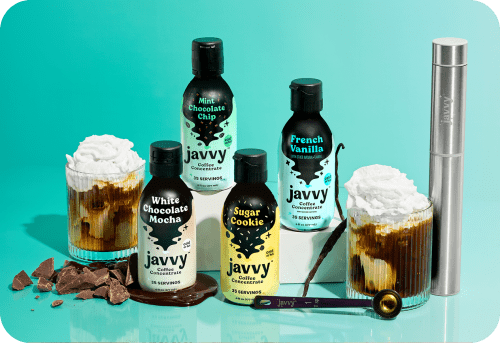
Using formats like Decaf Coffee Concentrate lets you dial in flavor without accidentally overdoing caffeine, especially helpful if you drink more than one cup.
It’s also easier to keep flavor consistent, which matters when caffeine is no longer the main attraction.
Final Thoughts
Decaf coffee isn’t caffeine-free, but it’s close enough for most people.
If you’re sensitive to caffeine or just want more flexibility in your day, decaf lets you keep the coffee ritual without the side effects. Knowing what’s actually in your cup just helps you make better choices around timing and quantity.
Shop the Products in This Article

Coffee Concentrate
100% Real Coffee