



How to Get Energy Without a Crash


Why Energy Crashes Happen

The crash usually comes from how the energy is delivered.
High-sugar drinks spike blood sugar quickly. High-caffeine drinks overstimulate your system. Both can feel strong upfront and unstable later.
That’s why energy crashes often look like:
It’s not that the drink didn’t work. It worked too aggressively.
What Steady Energy Actually Looks Like
Steady energy feels different.
It’s not a spike. It’s a lift you can maintain.
Instead of hitting all at once, it builds and holds. You stay focused, alert, and functional without feeling overstimulated.
That usually comes from a combination of:
Not one ingredient, a balance of them.
Why Moderate Caffeine Works Better

More caffeine isn’t always better.
Large doses can push you into jittery, overstimulated territory, especially if you’re consuming them daily. Smaller amounts tend to feel smoother and easier to maintain.
That’s why people are starting to question high-stim drinks and look for alternatives with lighter caffeine levels.
You see that shift clearly when people start exploring how lower caffeine actually supports more stable energy throughout the day.
The Role of Protein in Energy
Protein doesn’t give you a jolt of energy the way caffeine does.
What it does is support consistency.
It helps:
That’s why protein is starting to show up in more everyday drinks, not just shakes.
It’s not about intensity. It’s about staying level.
Hydration Is the Missing Piece
Energy and hydration are more connected than most people realize.
Even mild dehydration can affect focus, mood, and overall energy levels. But most energy drinks don’t prioritize hydration, they focus on stimulation.
That’s where newer formats stand out.
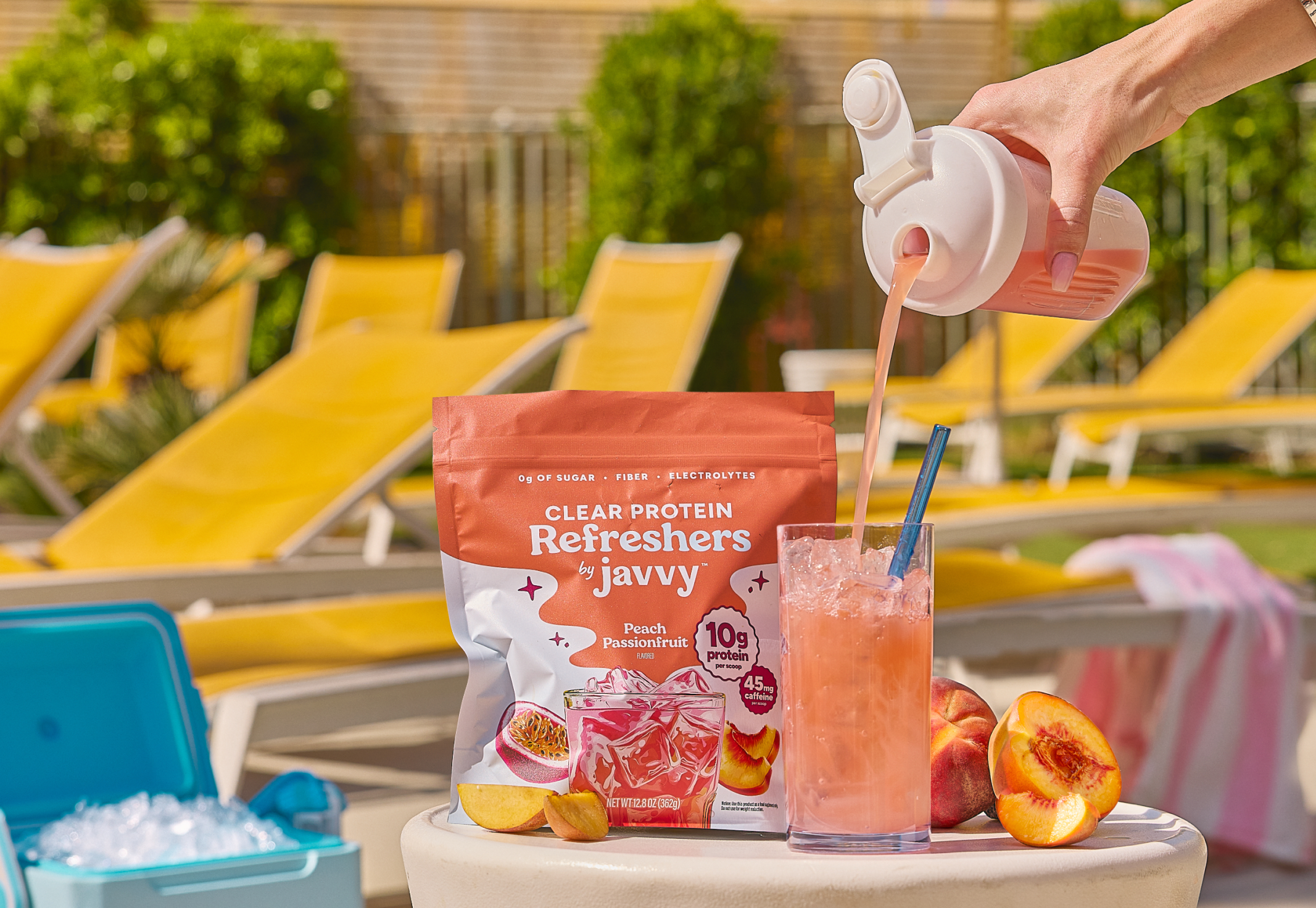
Drinks that combine hydration with functional ingredients help support energy more evenly throughout the day.
It’s the same reason people are starting to think differently about how protein and electrolytes work together in a single drink.
A Different Approach to Energy
Instead of relying on extremes, newer drinks focus on balance.
That’s where something like protein refreshers fits naturally.
You’re not just getting caffeine. You’re getting:
Mixed with cold water and poured over ice, it feels more like a refreshing drink than a high-stim energy product, which makes it easier to use consistently without the crash.
Where This Actually Fits in Your Day
Steady energy isn’t just about what you drink, it’s when you drink it.
The most common moments people look for that lift are:
Those are the gaps where energy tends to drop.
That’s also why people are rethinking when it actually makes sense to drink a protein refresher instead of defaulting to traditional energy drinks.
Make It Something You’ll Stick With
Energy solutions only work if they’re repeatable.
If a drink feels too intense, too heavy, or too artificial, it won’t last as a habit.
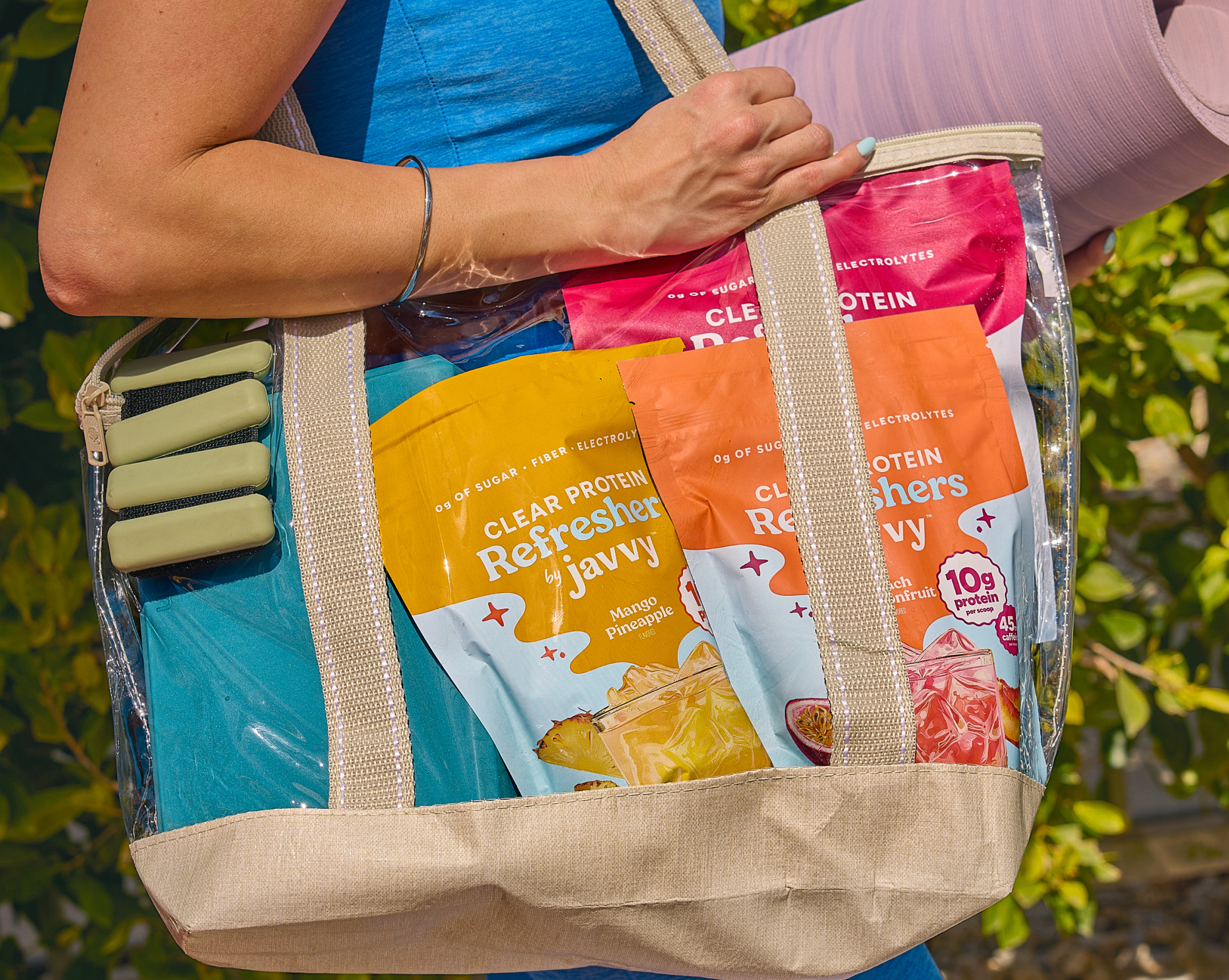
That’s why lighter, fruit-forward options are gaining traction. They feel closer to something you’d choose, not something you rely on.
You can see that in drinks like the Strawberry Açaí Sparkling Lime Refresher, bright, refreshing, and easy to sip without feeling overloaded.
Final Thoughts
Energy doesn’t need to come with a crash.
The shift is moving away from extremes, such as high sugar, high caffeine, quick spikes, and toward balance.
Moderate caffeine. Hydration. Functional ingredients that support consistency instead of intensity.
That’s what steady energy actually looks like.
And once you experience it, it’s hard to go back.
FAQs
What causes an energy crash?
Energy crashes are often caused by rapid spikes in blood sugar or overstimulation from high caffeine, followed by a drop in energy levels.
How can I get energy without caffeine?
You can support energy through hydration, proper nutrition, and consistent routines, though many people still use moderate caffeine for a small boost.
Is low caffeine better for energy?
For many people, moderate caffeine levels provide a smoother, more stable energy experience without jitters or crashes.
Do protein drinks help with energy?
Protein can help support steady energy by reducing dips between meals and supporting satiety.
What should I drink instead of energy drinks?
Lighter functional beverages that combine hydration, moderate caffeine, and nutritional support are common alternatives.