






What Is Milk Foam?
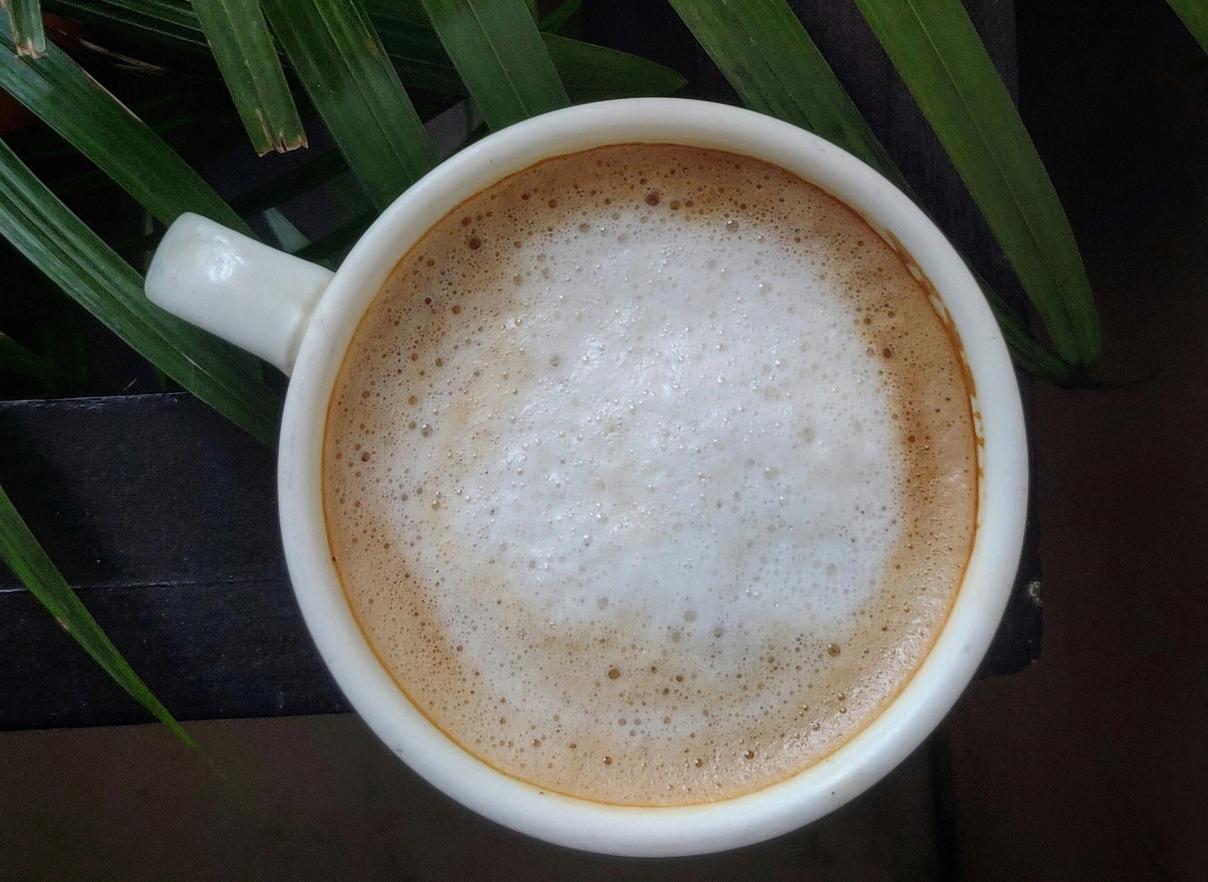
Milk foam is milk that’s been aerated to create tiny bubbles, giving it a light, airy texture. It’s made by introducing air into milk while heating or frothing it, which changes the structure of the milk proteins.
The result is a layer that sits on top of coffee drinks, adding texture without watering them down. Milk foam doesn’t add sweetness on its own, but it makes drinks feel smoother and more balanced.
How Milk Foam Is Used in Coffee Drinks
Milk foam is most commonly used in espresso-based drinks like lattes and cappuccinos, where it adds structure and visual appeal.
Different drinks use different foam-to-milk ratios, which is why cappuccinos feel lighter while lattes feel creamier. That balance is part of what defines classic café drinks like lattes, flat whites, and cappuccinos.

Milk Foam vs Milk Froth
Milk foam and milk froth are closely related, but they’re not identical.
Foam usually has smaller, tighter bubbles, creating a smoother, more velvety texture. Froth tends to have larger bubbles, making it lighter and airier.
In practice, people often use the terms interchangeably, but cafés usually aim for foam with finer bubbles because it integrates better with espresso.
What Is Cold Foam?
Cold foam is milk that’s frothed without heat and served cold. It’s commonly added to iced coffee and cold brew drinks.
Because it’s not heated, cold foam keeps a thicker, creamier texture that sits on top of cold drinks instead of dissolving immediately. It’s especially popular in iced coffee formats and pairs well with strong bases like cold brew and coffee concentrates.
Why Milk Foam Changes the Taste of Coffee
Milk foam affects more than texture. It changes how coffee hits your palate.
The foam slows down how liquid reaches your mouth, softening bitterness and making drinks taste smoother. That’s why the same espresso can taste sharper on its own but rounder when paired with milk and foam, especially in drinks like protein coffee where balance matters.
This effect is especially noticeable in drinks made with bold coffee bases, including coffee concentrates, where foam helps balance intensity without diluting flavor.

Can You Make Milk Foam at Home?
Yes. Milk foam can be made at home using several methods, including handheld frothers, steam wands, French presses, or even jars.
The key is using cold milk to start and creating fine bubbles rather than large frothy ones. Whole milk foams the easiest, but other milk types can work with slightly different textures.
Final Thoughts
Milk foam isn’t just decoration. It’s a structural part of many coffee drinks, shaping texture, balance, and how flavors come through.
Understanding the difference between foam, froth, and cold foam makes it easier to order, and make, coffee drinks that taste the way you expect them to.
Shop the Products in This Article

Coffee Concentrate
100% Real Coffee